How to Secure Your App Without the Headache, 5 Best Authentication Providers for SaaS
The 5 Best Authentication Providers for SaaS in 2025
Building authentication from scratch as a solo founder is basically a rite of passage—one that usually ends in weeks of wasted time, messy session management, and the terrifying realization that your app's security relies entirely on your midnight coding sessions. If you are looking for the absolute best authentication provider for SaaS, let's cut right to the chase: my personal choice is Clerk because that generous free tier (up to 50,000 Monthly Active Users (MAUs)) is unbeatable for early-stage and bootstrapped startups.
But wait—Clerk might not be the exact right fit for everybody. Whether you are building an enterprise B2B platform that requires intense SAML/SSO integrations, or a Postgres-heavy, full-stack app, the landscape in 2025 has excellent solutions tailored for different use cases.
Key Takeaways
- Top Personal Pick: Clerk is the best authentication provider overall for React/Next.js developers, especially because it gives you up to 50k MAUs completely free.
- Best for B2B/Enterprise: WorkOS and Kinde are currently leading the charge for complex organizations requiring SAML and robust SSO.
- Best for Postgres Stack: Supabase Auth is deeply integrated with PostgreSQL Row Level Security (RLS).
- Launch Faster: Don’t just outsource your backend auth; speed up your frontend development by pairing your authentication provider with pre-built UI using the ogblocks component library.
Table of Contents
- Do You Really Need an Auth Provider?
- What to Look For in a SaaS Auth Provider
- The Top 5 Best Authentication Providers for SaaS
- The Ultimate Setup: Combining Auth with ogblocks
- Frequently Asked Questions
- Final Thoughts
Do You Really Need an Auth Provider?
It's the age-old developer question: Why spend money on an auth provider when I can just use open-source passport.js or standard JSON Web Tokens (JWT)?
Here is the truth. Getting basic login to work is easy. Getting authentication right—at scale—is deceptively complex. Building your own auth means you suddenly own the responsibility for:
- Maintaining secure password hashing algorithms.
- Handling password resets, email verification, and magic links.
- Protecting against leaked passwords and brute-force attacks.
- Staying compliant with GDPR, SOC2, and endless privacy regulations.
- Eventually building Enterprise SSO (Single Sign-On) integrations like SAML for your big-ticket clients.
As a SaaS founder, your goal is to build your core product as fast as possible. You shouldn't be reinventing the wheel. Outsourcing your authentication to a dedicated authentication provider means offloading the security risks and gaining features like multi-factor authentication (MFA) and social logins out-of-the-box in literal minutes.
What to Look For in a SaaS Auth Provider
If you’re evaluating a SaaS authentication provider for your next big project, don't just blindly follow the herd. Your tech stack and target audience matter. Here is a decision checklist:
- Framework Ecosystem Integration: Does the provider have native SDKs for your stack? If you're using Next.js, look for providers with seamless App Router support and dedicated React hooks.
- Pricing That Fits Bootstrapped Models: Nothing kills a side hustle faster than unexpected infrastructure bills. Prioritize providers with large, transparent free tiers before hitting paying limits based on MAUs.
- B2B Features (SAML/SSO): Are you selling to enterprises or high-ticket agencies? B2B clients demand Single Sign-On (like Okta/Microsoft Entra integration) and Role-Based Access Control (RBAC).
- Developer Experience (DX): How fast can you get it running? Good docs, excellent sandbox environments, and pre-built drop-in UI components can save you days.
- Data Sovereignty & Customization: If you want total control over user data or self-hosting capabilities, you might prefer open-source alternatives over closed-source SaaS giants.
The Top 5 Best Authentication Providers for SaaS
Let's dive into the giants dominating the auth space for SaaS businesses right now before we break them down individually.
| Provider | Best For | Free Tier | B2B / SAML SSO | Developer Experience |
|---|---|---|---|---|
| Clerk | React/Next.js ecosystem | 50,000 MAUs | Requires Enterprise plan | ⭐⭐⭐⭐⭐ |
| WorkOS | Moving upmarket to enterprise | Generous dev tier | Industry Leading | ⭐⭐⭐⭐ |
| Supabase Auth | PostgreSQL architectures | 50,000 MAUs | Requires engineering | ⭐⭐⭐⭐ |
| Kinde | B2B SaaS organizations | 50,000 MAUs | Native & Integrated | ⭐⭐⭐⭐ |
| Auth0 | Complex & large enterprises | 7,500 Active Users | Extremely Robust | ⭐⭐⭐ |
1. Clerk (My Top Choice)
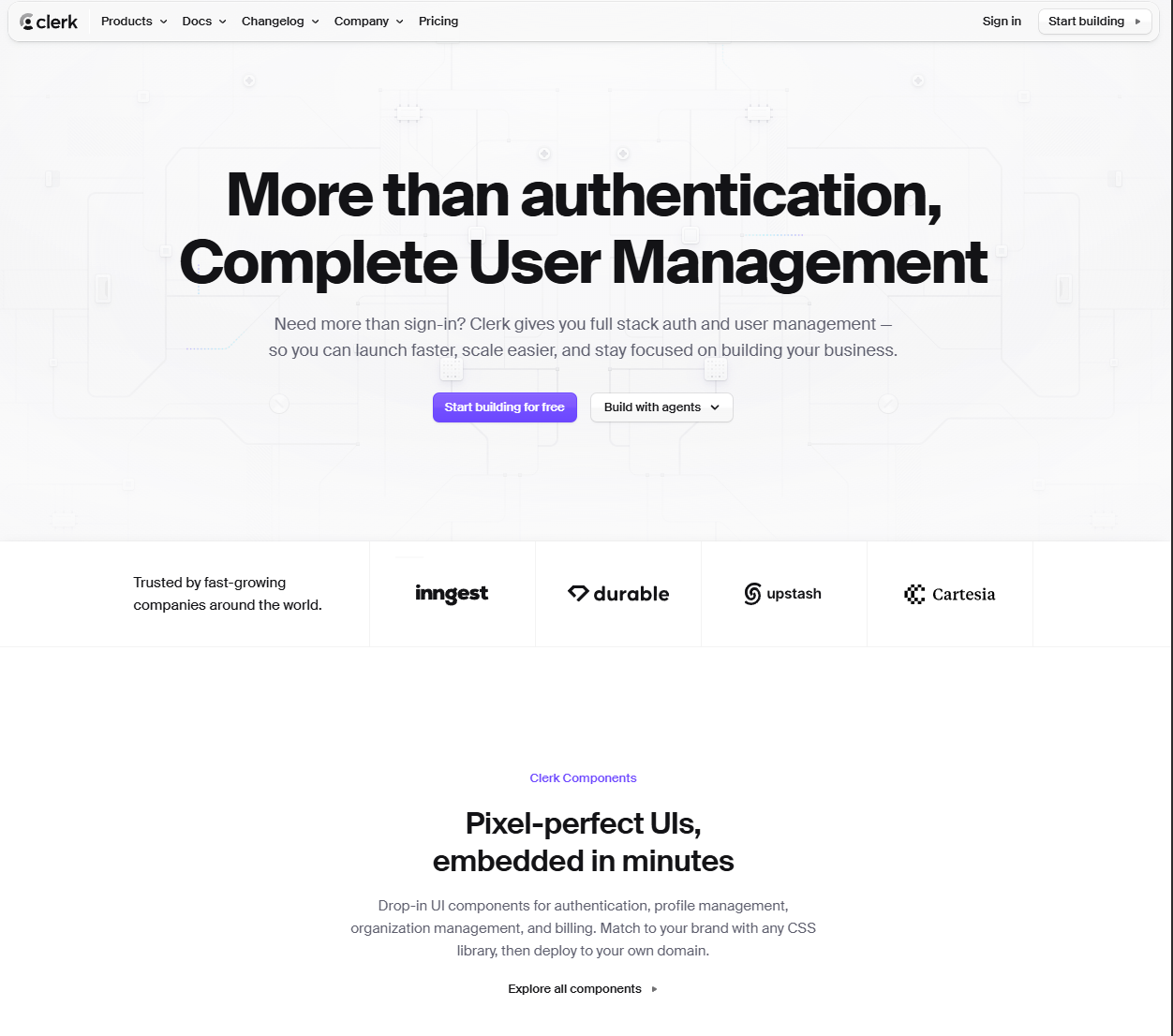
I am just going to put it out there: Clerk is my absolute favorite authentication provider right now. If you are building with Next.js or React, Clerk feels like it was tailor-made for you. It’s aggressively developer-focused and comes with beautiful, drop-in components (<SignIn />, <UserProfile />, <UserButton />) that just work out of the box.
But the biggest reason I recommend Clerk for indie hackers and solo founders? Pricing.
Clerk gives you up to 50,000 Monthly Active Users (MAU) completely for free. That is practically unheard of in the SaaS auth space for the amount of premium functionality you get. Let’s be real—if you’re hitting 50k MAUs on a SaaS product, you’ve likely found product-market fit and can afford the premium tier.
Pros:
- Up to 50k MAUs free (incredible value).
- Best-in-class React and Next.js SDKs with beautiful pre-built UI components.
- Easily handles multi-tenant B2B architectures with Organizations.
- Insanely fast implementation (you can genuinely add auth in under 10 minutes).
Cons:
- Heavily biased towards JavaScript/TypeScript ecosystems. If you're using Laravel, Rails, or Django, other providers might feel more native.
- B2B SAML SSO is gated on higher enterprise tiers.
Best For: Bootstrapped SaaS founders, Next.js developers, and consumer apps that need rapid deployment with a generous free tier. Learn more at Clerk's Documentation.
2. WorkOS
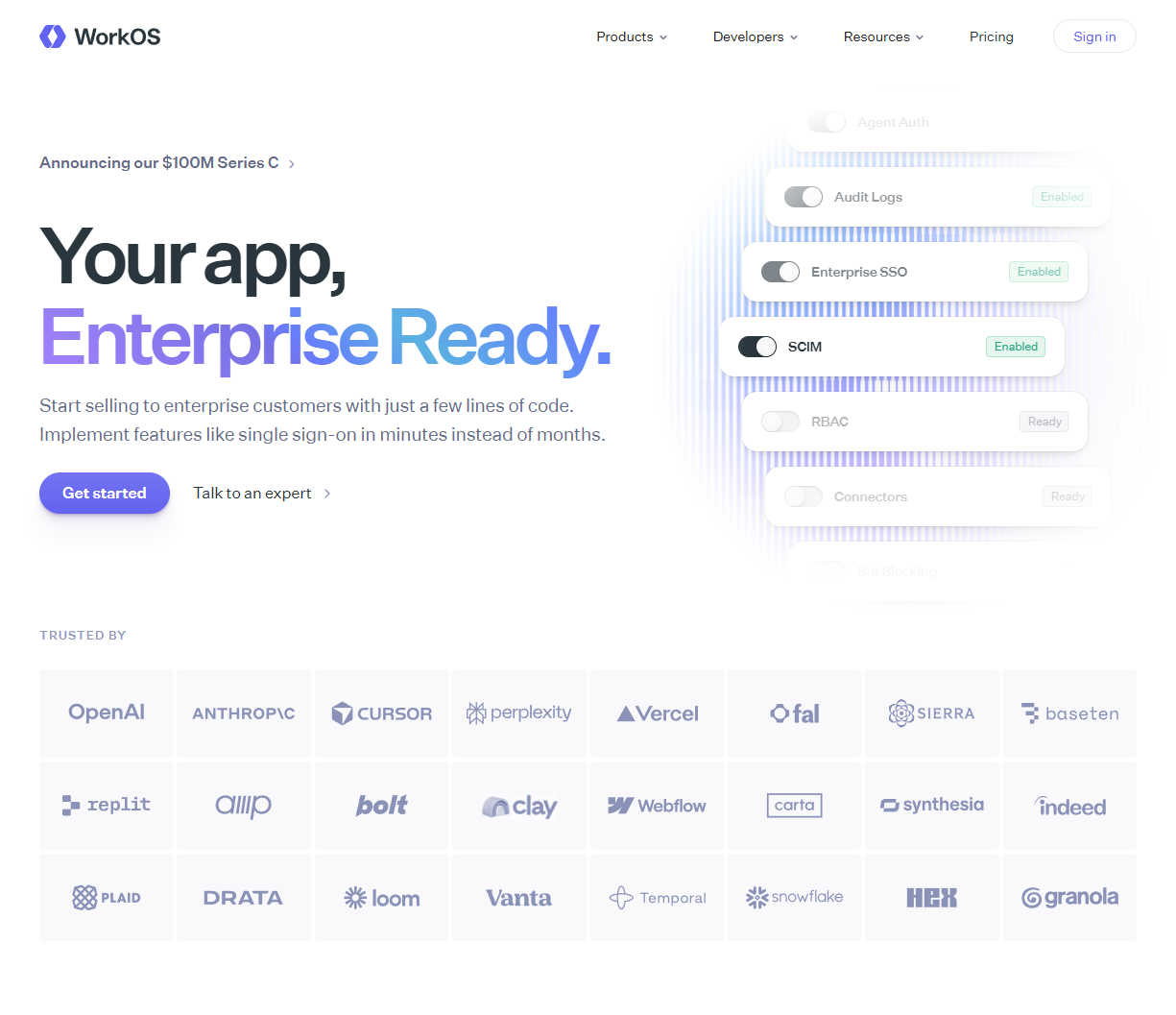
If you are explicitly building a B2B SaaS and your main objective is to eventually sell upmarket to enterprise clients, WorkOS is a massive timesaver. Enterprise clients don't just want passwords; they want their employees logging in securely via their company's Okta, Microsoft Entra ID (formerly Azure AD), or Google Workspace identities.
Building SAML and SCIM provisioning in-house takes months. WorkOS bridges this gap by acting as an API that normalizes all major identity providers into one clean integration. In 2024, they also bought AuthKit, establishing themselves as a serious full-circle authentication contender.
Pros:
- Completely demystifies enterprise SSO and SCIM directory sync.
- Very transparent API and robust developer tools.
- Actually helps you move upmarket and close six-figure enterprise deals faster.
Cons:
- Not purely focused on simple B2C flows (though AuthKit helps with this).
- Can get expensive once you start needing heavy enterprise SSO connections.
Best For: Startups that are transitioning from self-serve to sales-led enterprise motions. Read more on why SAML is critical for Enterprise.
3. Supabase Auth
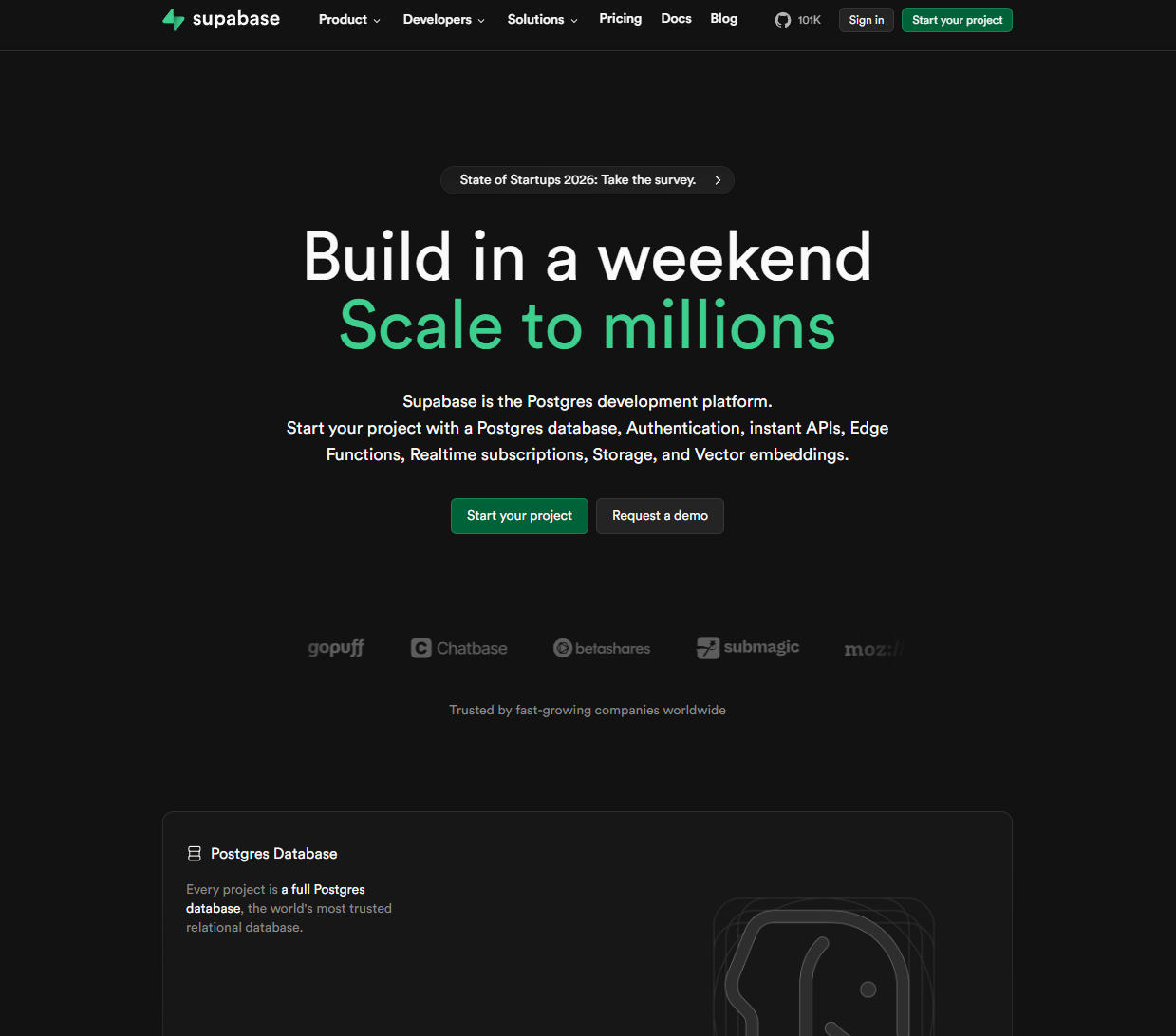
Supabase is generally known as an open-source Firebase alternative, built heavily around PostgreSQL. Supabase Auth is native to this ecosystem.
Because it's integrated directly with Postgres at a foundational level, you get out-of-the-box compatibility with PostgreSQL's Row Level Security (RLS). This means your database can naturally filter exactly what data the authenticated user is allowed to see, without writing massive middleware permission layers.
Pros:
- Direct, powerful integration with PostgreSQL tools and Row Level Security.
- Completely open-source (you can self-host this if you ever need to evade vendor lock-in).
- Generous free tier for early-stage apps.
Cons:
- B2B features like complex SAML SSO and SCIM require significant custom engineering on top.
- RLS features demand you know PostgreSQL relatively well.
Best For: Full-stack developers who are aggressively tying their architectures to PostgreSQL and want an all-in-one Backend-as-a-Service (BaaS).
4. Kinde
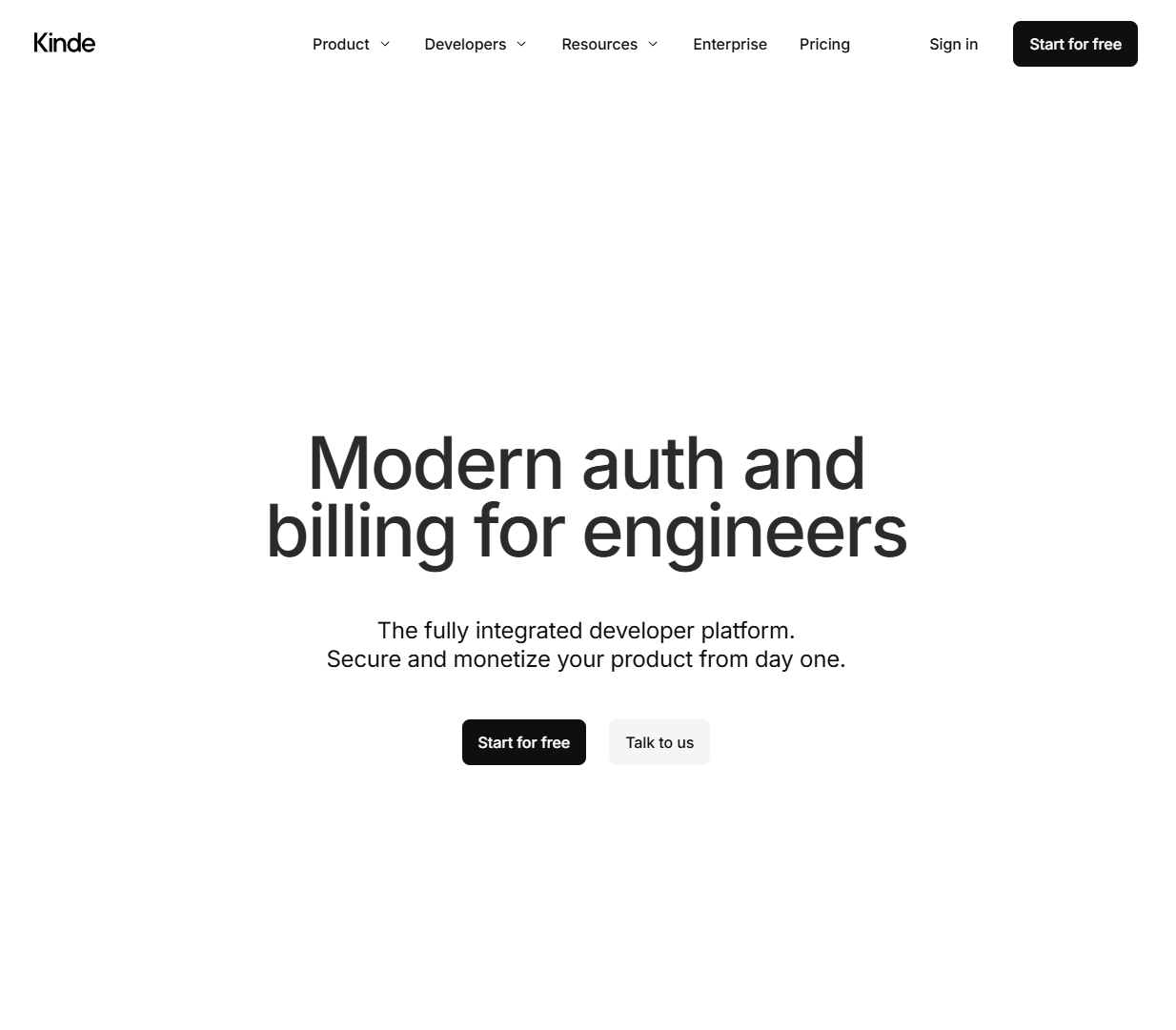
Kinde has steadily risen over the past year specifically because it laser-focuses on the B2B use case. When you build B2B SaaS, your core data architecture is heavily reliant on organizations, roles, features flags, and subscription ties.
Kinde brings that to the forefront by bundling multi-tenancy auth with release management, permissions, and built-in monetization concepts. According to their latest reports, their developer experience rivals Clerk, but specifically for enterprise-leaning structures.
Pros:
- Incredible native structure for multi-tenancy and organization-level users.
- Built-in feature flagging and user management UI.
- Great momentum and focus on the B2B niche.
Cons:
- Still a newer player in the market compared to heavyweights like Okta.
- Smaller community footprint for troubleshooting obscure edge cases.
Best For: Startups whose immediate roadmap is focused entirely on B2B SaaS with heavy organization-level permission systems.
5. Auth0 (by Okta)
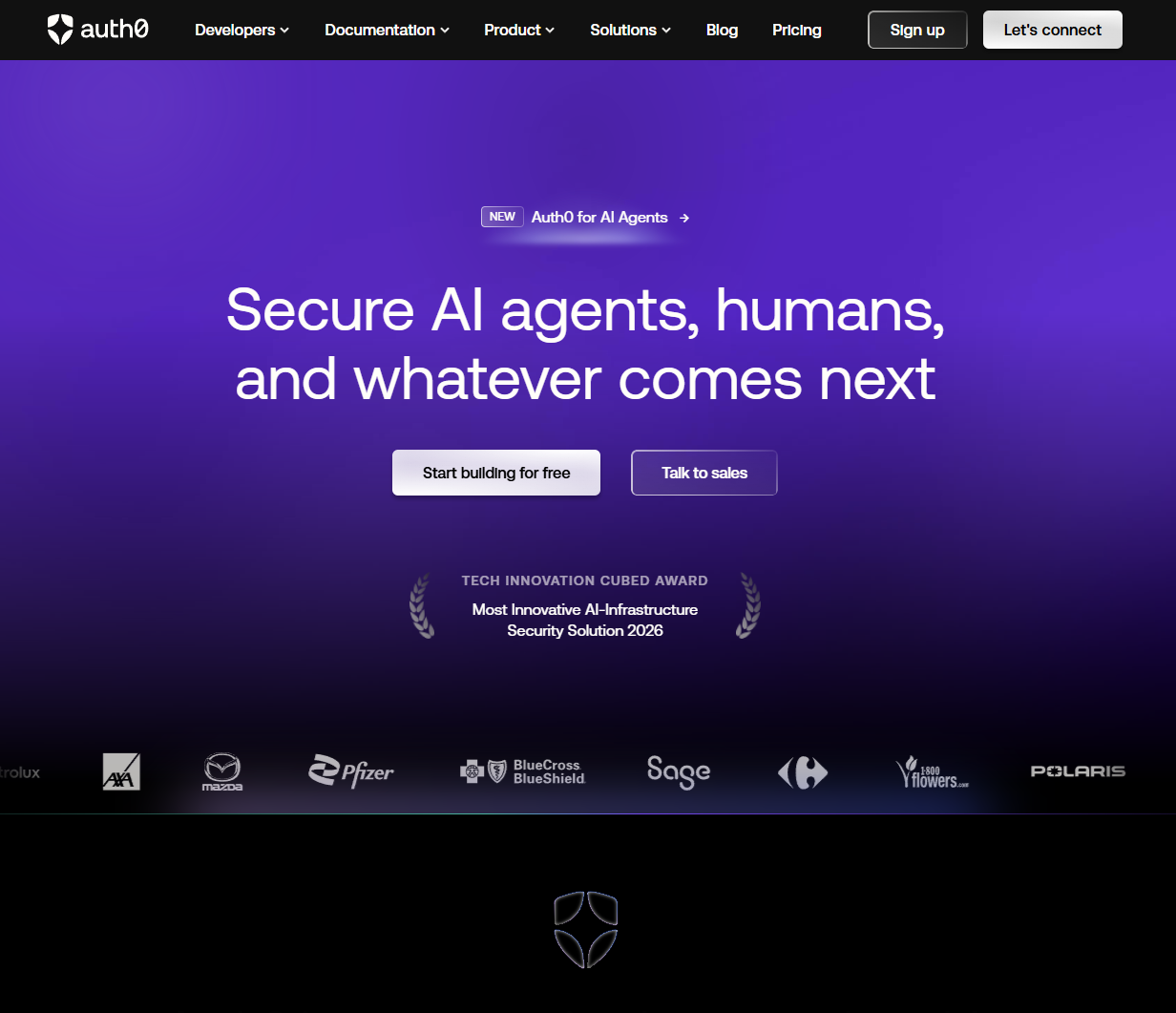
It wouldn't be a robust auth comparison without mentioning the titan in the room. Auth0 (which was acquired by Okta) was the platform that practically popularized Auth-as-a-Service.
If there is a bizarre authentication scenario in existence, Auth0's massive rules engine and Actions framework can handle it. It is the definition of battle-tested.
Pros:
- Handles every edge case, protocol, and machine-to-machine authentication scenario under the sun.
- Extremely mature documentation and global infrastructure reliability.
Cons:
- The learning curve remains steep. The dashboard can feel overwhelming for a solo dev.
- Price scaling is aggressive. Once you jump off their standard tiers, enterprise pricing can skyrocket dramatically.
Best For: Large scale applications or organizations with dedicated identity infrastructure teams needing endless customizability.
The Ultimate Setup: Combining Auth with ogblocks
Listen: settling on an auth provider like Clerk or Supabase is only half the battle. You’ve successfully outsourced your backend security, but as a solo founder, your frontend speed is just as critical.
If you are trying to launch your MVP before your runway runs out, you shouldn't be wasting hours centering divs, hand-crafting responsive mobile navbars, or styling generic data tables. You need to drop in components and get back to shipping.
This is exactly why you need to pair your rapid authentication with the ogblocks component library.
ogblocks is designed specifically for SaaS founders. While Clerk handles the user logins natively, you can rely on ogblocks to give you stunning, accessible, and conversion-optimized:
- Hero sections and pricing tables.
- Dashboards and clean sidebar navigations.
- Modal popups and beautiful forms.
Why spend three days building a settings page layout when you can literally copy-paste the ogblocks code and wire it up to your backend in 15 minutes?
Discover the ogblocks component library and speedrun your frontend today.
Frequently Asked Questions
What is an authentication provider?
An authentication provider is a dedicated third-party service that handles user signup, login, password resets, and session management on behalf of your application. They remove the heavy lifting of maintaining secure identity management so developers can focus strictly on product features.
How much does a SaaS authentication provider cost?
Most modern providers like Clerk or Supabase offer generous free tiers. Clerk, for example, is entirely free for up to 50,000 monthly active users. Paid tiers generally start around $25/month, scaling into the hundreds or thousands based on active user counts and enterprise features like SAML SSO.
Which is better for Next.js: Clerk or Auth0?
For Next.js applications, Clerk is widely considered the superior choice due to its incredibly seamless App Router integration, deep developer experience focus, and pre-built React components (<SignIn /> and <UserProfile />), drastically reducing boilerplate code compared to Auth0.
What is the most secure authentication method?
Currently, passwordless authentication using Magic Links, Biometrics (Passkeys), and strict Multi-Factor Authentication (MFA) via authenticator apps are the most secure methods. They mitigate the massive risk vectors associated with stolen, weak, or brute-forced passwords.
Final Thoughts
Choosing the right identity stack doesn't have to be agonizing. If you are building a Next.js side project or getting an early SaaS off the ground, Clerk is an obvious frontend-first choice with an absolutely ridiculous free tier. If B2B enterprise is your North Star, lean harder into WorkOS.
But remember: authentication is just a stepping stone. Customers pay you for the value your tool provides, not the login screen.
Outsource your backend to Clerk, and outsource your beautiful UI components to ogblocks. The faster you launch, the faster you learn.
Now stop researching and get back to building!
Written by Karan
Karan is a React engineer and the founder of ogBlocks, building high-performance UIs for SaaS.