Cost to Build a SaaS Product in 2026: The Hidden Expenses Nobody Warns You About
If you are a developer looking to launch your own software business, you are likely asking yourself one major question: what is the real cost to build a SaaS product?
Building a Software as a Service (SaaS) platform from scratch is an exciting endeavor. The SaaS model provides incredible scalability and recurring revenue potential, which is why the global SaaS market is projected to reach over $344 billion by 2028. However, navigating the financial aspects of SaaS development can be incredibly tricky. From initial planning to UI/UX design, core development, and finally launching, the expenses can quickly spiral out of control if you are not careful.
In this comprehensive guide, we will break down the exact costs associated with building a SaaS product in 2026. Whether you are building a simple micro-SaaS or a complex enterprise platform, understanding these costs upfront is crucial. We will explore the factors that influence pricing, analyze the specific costs of SaaS MVP development, and show you actionable developer strategies—like utilizing premium component libraries—to significantly reduce your time to market and development expenses.
This article is specifically for developers, technical founders, and indie hackers who want to build a SaaS product efficiently without compromising on quality or architecture.
Key Takeaways
- MVP First: Don't over-engineer; validate your idea with a Minimum Viable Product (MVP) typically costing between $11,500 and $29,000 in development time.
- Design Matters: High-quality UI/UX is non-negotiable for SaaS success, but it's often a bottleneck for developers.
- Hidden Costs: Budget for ongoing server maintenance, third-party subscriptions, and marketing post-launch.
Table of Contents
- What Influences the Cost to Build a SaaS Product?
- The Breakdown: SaaS MVP Development Cost
- Average Costs by Development Stage
- The Hidden Costs of SaaS Product Development
- How to Ship Your SaaS MVP Faster (and Cheaper)
- Frequently Asked Questions (FAQ)
- Conclusion: Start Building Your SaaS Today
What Influences the Cost to Build a SaaS Product?
The cost to build a SaaS product is rarely a fixed number. If you ask ten different agencies for a quote, you will receive ten wildly different answers, typically ranging anywhere from $5,000 for a basic tool to over $150,000 for a complex enterprise solution.
Understanding why these costs vary is the first step to controlling your budget. Here are the primary factors that influence SaaS development costs:
1. Application Complexity and Scope
This is the most significant cost driver. The more features you add, the more expensive your product becomes.
- Basic SaaS: Simple single-purpose tools (e.g., a basic habit tracker, a simple email formatter) cost less because they require minimal database architecture and straightforward business logic.
- Medium Complexity: Applications with user roles, payments, API integrations, and moderate data processing (e.g., a project management tool, CRM).
- High Complexity: Enterprise-grade platforms requiring robust security compliance (HIPAA, SOC2), advanced AI features, complex data analytics, and massive parallel processing.
2. UI/UX Design Requirements
A SaaS product lives and dies by its user interface. A clunky, confusing app will suffer from high churn rates, no matter how powerful the backend is. Investing in high-quality UI/UX design is non-negotiable. Custom dashboard designs, complex interactive charts, and seamless user onboarding flows take time to design and implement. For many developers, front-end design can be the biggest bottleneck.
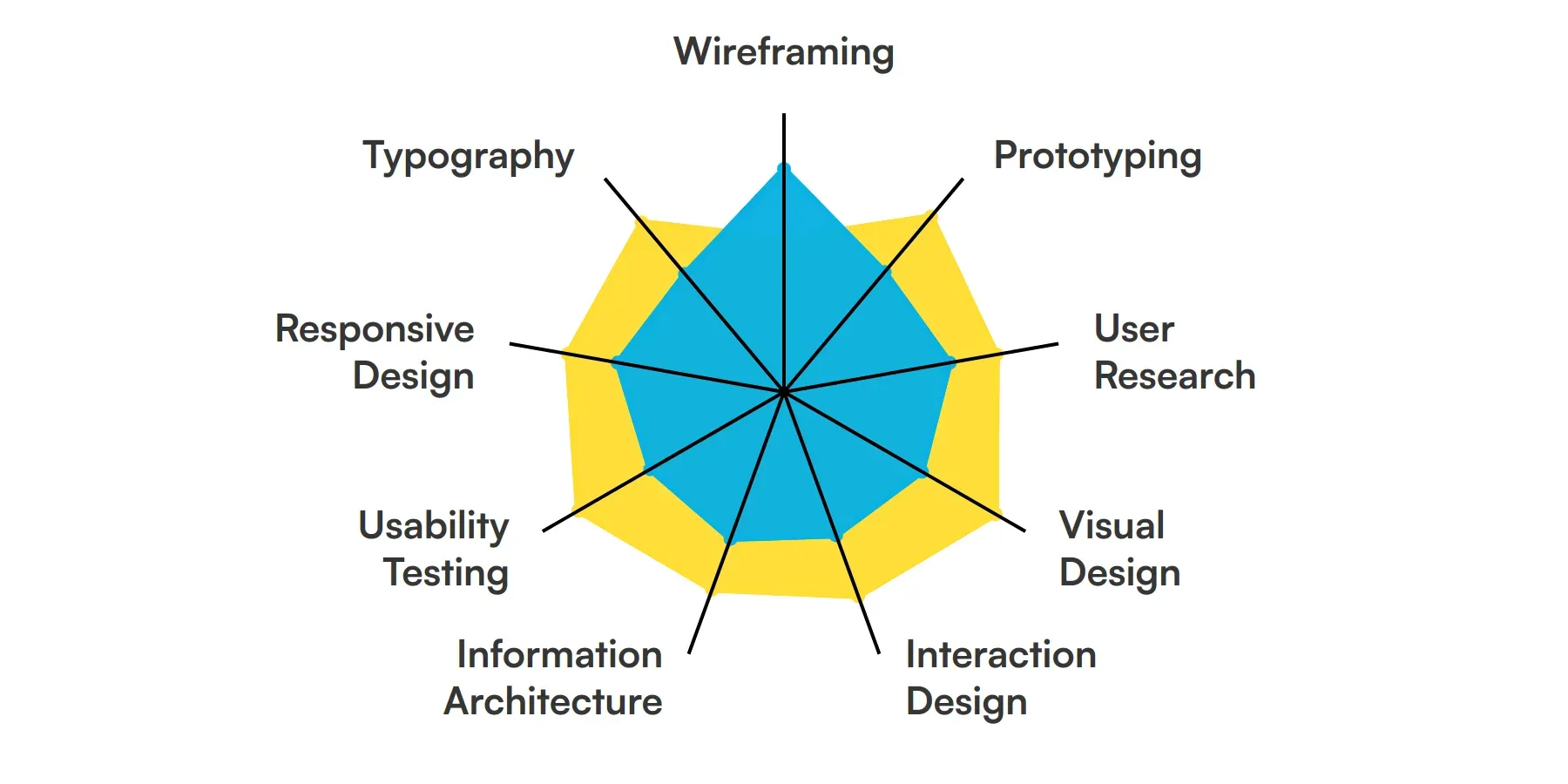
A clean visual aesthetic is essential for modern SaaS apps. Investing in UI/UX reduces churn and increases perceived value.
3. API Integrations
Rarely does a SaaS application exist in a vacuum. You will likely need to integrate third-party services for payments (Stripe/LemonSqueezy), emails (Resend/SendGrid), authentication (Clerk/Supabase), and potentially AI APIs (OpenAI/Anthropic). Every external connection requires proper error handling, webhook management, and testing, which adds to the development hours.
4. Development Team Composition
Are you building this solo, hiring freelancers, or assembling an entire in-house team? A senior full-stack developer in North America will cost significantly more per hour than an offshore development agency. If you are an indie developer building it yourself, your true cost is the opportunity cost of your time.
The Breakdown: SaaS MVP Development Cost
The Golden Rule of SaaS development is: Never build the full product first. Always start with a Minimum Viable Product (SaaS MVP).
A SaaS MVP is the most stripped-down version of your product that still provides core value to your early adopters. The goal of an MVP is to validate your idea with real users before you spend six months and $50,000 building features nobody actually wants.
Why Developers Should Focus on the SaaS MVP
For developers, it's incredibly tempting to over-engineer. You might want to build a bulletproof Kubernetes cluster and a multi-region database setup before you even have a single paying customer. Resist this urge.
Your initial goal is validation. The SaaS MVP development phase should focus solely on the "Happy Path"—getting the user from sign-up to experiencing the core value proposition as quickly as possible.
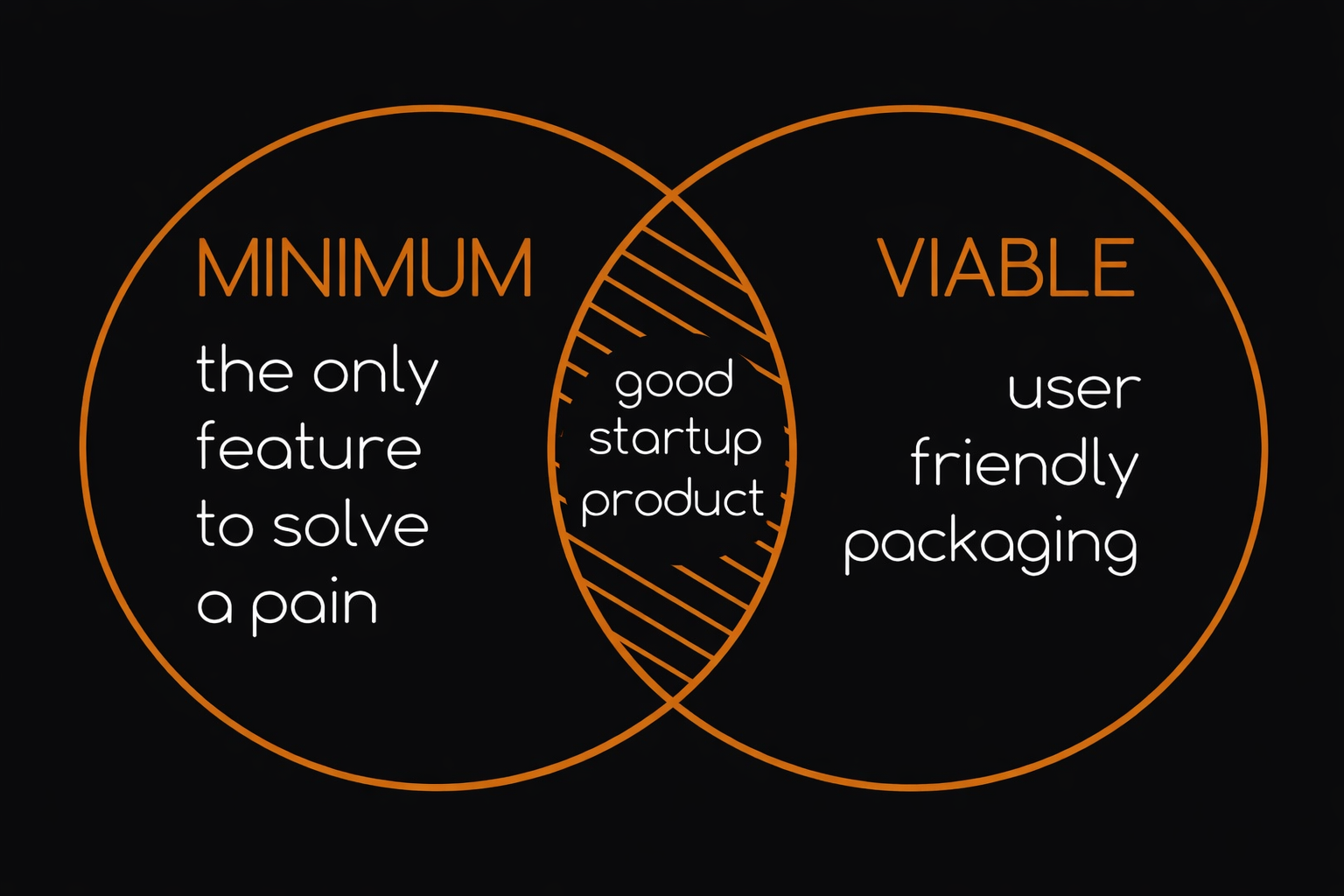
Focus on the core loop. Your SaaS MVP should be lightweight, fast, and highly targeted.
Estimated SaaS MVP Costs
If you are bootstrapping the coding yourself and only paying for infrastructure and premium tools, you can launch a SaaS MVP for under $1,000. However, if you are calculating the commercial value of development hours, typical SaaS MVP development costs look like this:
- Idea Validation & Research: $500 - $1000
- Basic UI/UX Prototypes: $1,000 - $3,000
- Frontend & Backend Development: $10,000 - $25,000
- Testing & QA: $1,000 - $3,000 (We can skip this as they're most included in the development costs)
- Total Estimated MVP Cost: $11,500 - $29,000
By heavily utilizing open-source tools, backend-as-a-service (BaaS) platforms like Supabase or Firebase, and ui component libraries like shadcn or radix, solo developers can drastically reduce these commercial estimates, acting as a one-person powerhouse.
Average Costs by Development Stage
If you are treating your SaaS as a serious business investment, it helps to break down the cost to build a SaaS product by the distinct stages of the software development lifecycle. Let's look at what each stage entails and the average hours required.
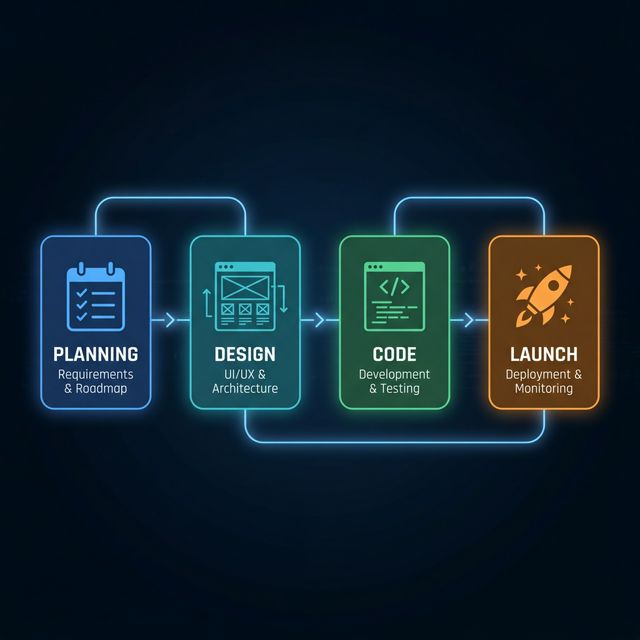
The four pillars of SaaS development: Planning, Design, Coding, and Launch.
Stage 1: Discovery and Planning (40 - 80 hours)
Before writing a single line of code, you must define the architecture. What tech stack will you use? (e.g., Next.js, Tailwind CSS, TypeScript, PostgreSQL). How will the database schema look? In this phase, you are building the technical roadmap. A lack of planning here leads to technical debt later. Estimated Value: $2,000 - $5,000
Stage 2: UI/UX Design (60 - 120 hours)
This phase includes creating wireframes, defining the design system, and building high-fidelity Figma mockups. If you are a back-end heavy developer, this is often where the struggle begins. Designing a cohesive, beautiful, and accessible UI takes immense skill. Estimated Value: $3,000 - $10,000
Stage 3: Core Development (300 - 600+ hours)
This is the heavy lifting. Setting up the authentication guards, writing the API routes, building the frontend components, managing state, and integrating payment gateways. For a SaaS app, you will spend a massive amount of time building the "table stakes" features—user settings, billing portals, password resets, and team invite flows—before you even touch your app's unique selling proposition (USP). Estimated Value: $15,000 - $40,000+
Stage 4: Testing & QA (40 - 100 hours)
Testing is vital. You need to write unit tests for your critical business logic, ensure the UI is responsive across all devices, and perform security audits. A bug in a payment flow can literally cost you money and user trust. Estimated Value: $2,000 - $6,000
The Hidden Costs of SaaS Product Development
Many developers only calculate the cost of getting the SaaS MVP to version 1.0. Unfortunately, launching is just the beginning line, not the finish line. When budgeting for your SaaS, you must account for the hidden, recurring costs that sneak up post-launch.
- Server and Hosting Costs: While Vercel, AWS, or DigitalOcean might be cheap initially, bandwidth and database storage costs scale with your users. Prepare for these infrastructure costs to grow.
- Third-Party SaaS Subscriptions: Ironically, to run a SaaS, you need to buy SaaS. You will likely pay monthly fees for email delivery (Resend), error tracking (Sentry), analytics (PostHog), and customer support platforms.
- Ongoing Maintenance: Dependencies get deprecated. APIs change. Browsers update. You will need to allocate ongoing development time simply to "keep the lights on" and patch security vulnerabilities.
- Marketing and Customer Acquisition: Building it does not mean they will come. You will need a budget for SEO tools, content marketing, or paid ads (PPC) to acquire those initial beta users.
How to Ship Your SaaS MVP Faster (and Cheaper)
As a developer, your time is your most valuable asset. The fastest way to decrease the cost to build a SaaS product is to decrease the time it takes to build it.
The biggest mistake developers make is trying to reinvent the wheel. You do not need to build a custom button component from scratch. You do not need to write custom CSS for a complex data table or an animated hero section.
This is where ogBlocks comes in.
If you want to ship your SaaS MVP in days instead of months, you need to leverage high-quality, pre-built components. ogBlocks is a premium animated React UI component library designed specifically to make modern web applications look stunning with zero effort.
By using ogBlocks, you can skip the hundreds of hours typically wasted in the UI/UX design phase. Instead of struggling with complex Framer Motion animations or tweaking CSS transitions, you can simply drop in beautifully designed, production-ready components that instantly make your SaaS look professional business.
Why developers choose ogblocks for SaaS development:
- Instant Premium Feel: Instantly elevate your app's aesthetic, increasing perceived value and allowing you to charge higher subscription prices.
- Copy and Paste Simplicity: Built on modern standards (React, Tailwind CSS, Framer Motion), allowing you to integrate components seamlessly into your Next.js or Vite projects.
- Focus on Business Logic: Stop fighting with CSS margins and focus on writing the backend logic that actually makes your product unique (and marketing too).
Frequently Asked Questions (FAQ)
How much does it cost to build a SaaS product on average?
The average cost to build a SaaS product ranges from $15,000 to $50,000 for a standard Minimum Viable Product (MVP). Complex enterprise applications can easily exceed $100,000. For solo developers bootstrapping the project, the monetary cost can be strictly infrastructure ($500-$1000), while the real cost is hundreds of hours of unpaid labor.
What is the cheapest way to build a SaaS MVP?
The cheapest way to build a SaaS MVP is to leverage modern frameworks (like Next.js), use Backend-as-a-Service platforms (like Supabase or Firebase) to handle databases and authentication, and utilize premium UI component libraries like ogBlocks to skip the design and frontend UI development phase entirely.
How long does it take to develop a SaaS product?
Developing a basic SaaS MVP typically takes 2 to 4 months of consistent development work. Launching a fully-featured, scalable SaaS product can take anywhere from 6 to 12 months, depending on the complexity of the features and the size of the development team.
What are the biggest hidden costs in SaaS development?
The biggest hidden costs include ongoing server maintenance, third-party API subscription fees, marketing and customer acquisition costs, and the technical debt incurred by rushing the initial planning and architecture phases.
Conclusion: Start Building Your SaaS Today
The cost to build a SaaS product in 2026 can seem daunting, but it doesn't have to be a barrier to entry. By understanding the distinct phases of development, focusing relentlessly on your SaaS MVP, and being smart about your technical architecture, you can significantly reduce your startup costs.
Remember, the goal is validation. Don't waste your precious development hours building complex UI elements from scratch when perfectly engineered, beautiful solutions already exist.
Ready to cut your front-end development time in half? Get ogBlocks today and start gripping your SaaS MVP faster, cheaper, and with a design that will blow your users away. Your first paying customers are waiting.
Written by Karan
Karan is a React engineer and the founder of ogBlocks, building high-performance UIs for SaaS.