
Stop Leaving Money on the Table: 12 SaaS Website Inspiration Secrets to Steal Now
If you're a SaaS founder or indie hacker building your next product, looking at Stripe or Vercel for design inspiration can feel demoralizing. You simply don't have a 50-person design team or months of runway to perfect a single CSS animation.
Finding the right saas website inspiration is still critical, but you need examples from people like you: solo founders and tiny teams who rely on clever design and raw conversion strategy, not massive budgets.
The standard for a professional saas website is higher than ever, but you can achieve it lean. Visitors expect lightning-fast load times, physics-based animations, and an experience that communicates value instantly. A great indie design builds immediate trust—and trust is what turns visitors into paying customers. By exploring how to make your website look premium, you set the foundation for actual growth.
In this guide, we've analyzed the absolute best saas landing pages built by indie hackers. We'll show you why these sites convert so well, and how you can implement these premium patterns on your own saas site using ogBlocks, our elite UI component library.
Table of Contents
- What Makes an Indie SaaS Website Convert?
- 12 Top SaaS Website Inspiration Examples
- How to Build Your Premium SaaS Website Fast
- Frequently Asked Questions (FAQ)
What Makes an Indie SaaS Website Convert?
Before jumping into the examples, let's break down the core elements shared by the highest-converting indie SaaS sites today. They rely on psychology and speed rather than pure visual polish.
1. The Raw, Authentic Hook
Indie hackers win by being human. Your hero section shouldn't sound like a corporate enterprise AI platform. Talk to your customer directly. Use concise, plain-English headlines (8-12 words) paired with an interactive product demo or a raw, relatable screenshot.
2. Radical Social Proof
Since you don't have Fortune 500 logos to show off, you need radical authenticity. Top-tier solo founders immediately showcase their credibility through Twitter (X) shoutouts, raw revenue numbers, or faces of real people right below the primary CTA.
3. Purposeful Motion
Static pages look cheap, but over-animated sites feel heavy. The best indie designs use motion with purpose—think smooth hover states, staggered reveals on scroll, and micro-interactions that make the product feel premium.
4. Direct, Frictionless CTAs
Whether it’s "Start for Free" or "Get Access," the path to conversion must be obvious. Indie SaaS companies strip away unnecessary form fields, often relying on instant Google/Github authentication or magic links. Following strong SaaS landing page best practices guarantees you won't lose users at the finish line.
12 Top SaaS Website Inspiration Examples
Here are 12 visually stunning and effective SaaS websites built by solo founders and small teams to inspire your next build.
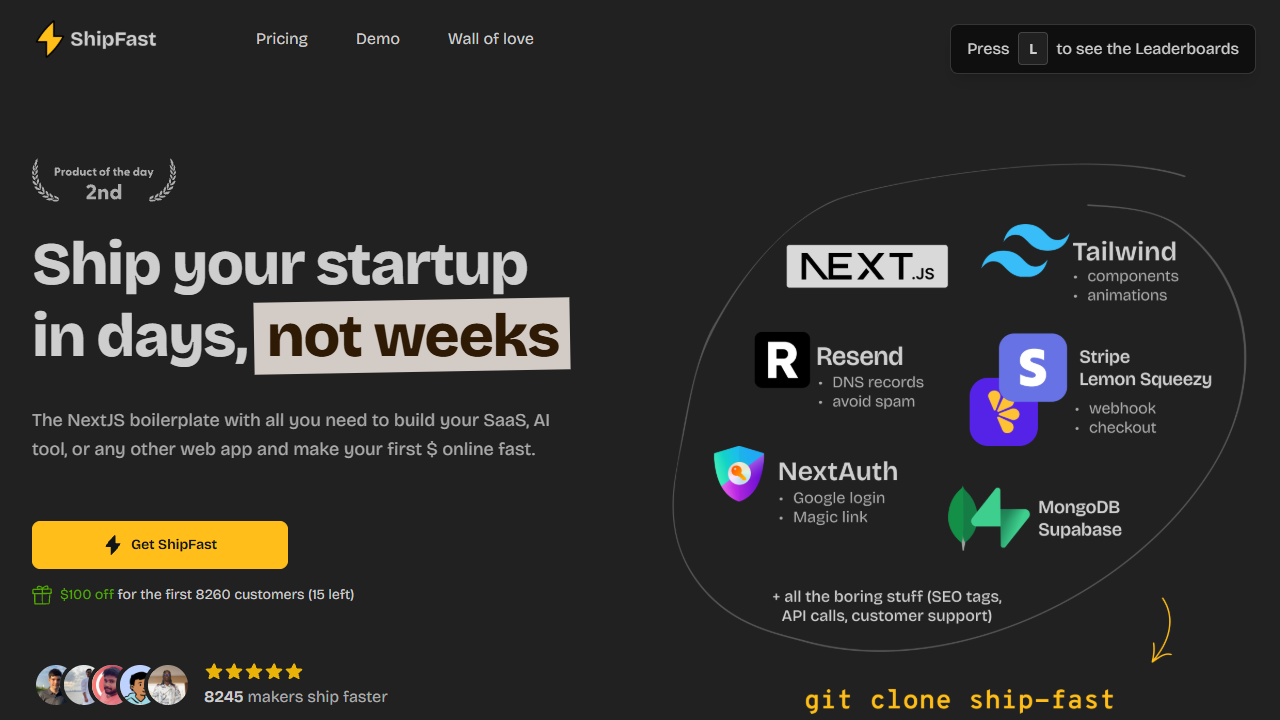
1. ShipFast: The "Just Ship It" Aesthetic
Marc Lou's Next.js boilerplate ShipFast single-handedly defined a new aesthetic for indie hackers in recent years. It’s raw, direct, and ruthlessly optimized for conversion.
Why it works:
- Urgency and FOMO: Huge use of countdown timers and limited-availability discounts that actually drive action.
- Wall of Love: A literal wall of embedded Twitter testimonials replacing traditional, boring corporate case studies.
- High-Contrast CTAs: The primary buttons are massive, colorful, and impossible to miss.
2. Typefully: The Minimalist Creator Vibe
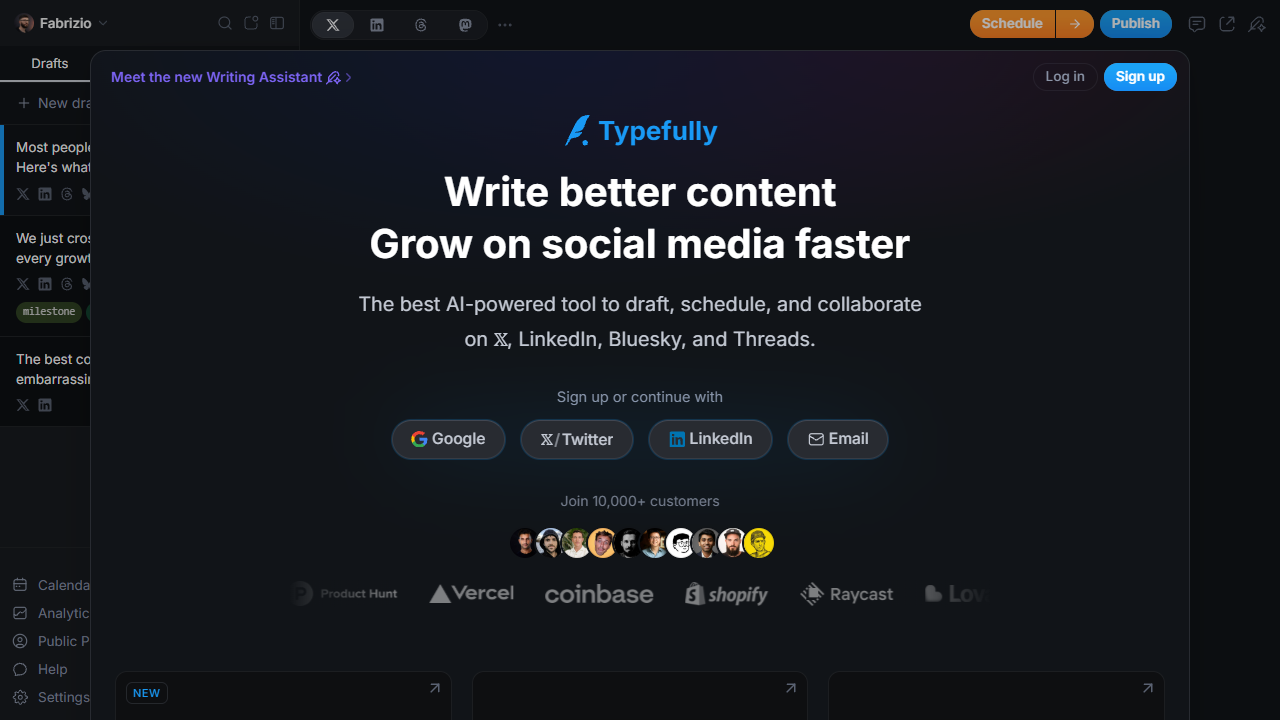
Built by the indie hacker duo at Mailbrew, Typefully is a masterclass in elegant, restraint-driven design for content creators.
Why it works:
- Extreme Whitespace: The website breathes. By giving elements plenty of space, the product interface takes center stage.
- Crisp Typography: They use highly legible, premium sans-serif fonts that immediately signal a high-quality writing tool.
- Product-Led Visuals: The imagery focuses purely on the UI of the editor, showing creators exactly the environment they will be working in.
3. Senja: Playful, Colorful Social Proof
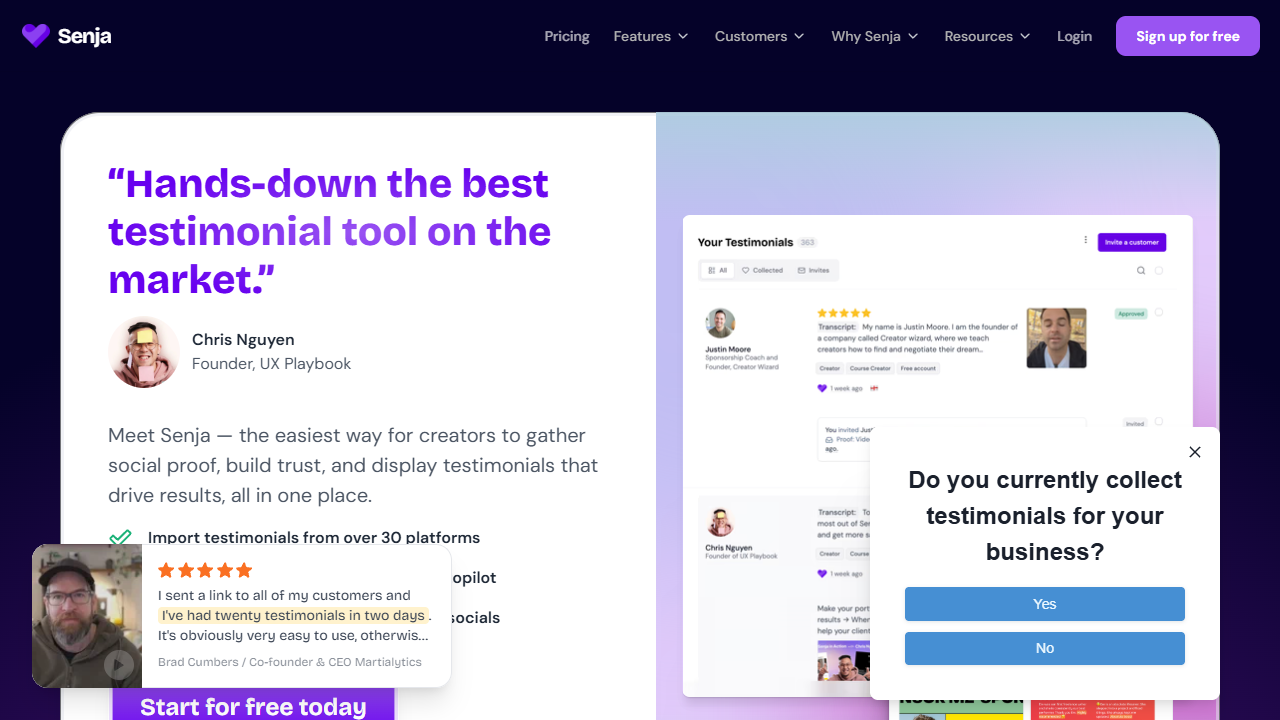
Oliver and Wilson built Senja to revolutionize testimonial collection, and their website reflects the playful nature of their brand perfectly.
Why it works:
- Bold, Pastel Colors: In a sea of dark-mode developer tools, Senja stands out with incredibly bright, joyful pinks and purples.
- Floating Widgets: Their homepage features floating, interactive testimonial bubbles that prove the product's value instantly.
- Conversational Copy: The website reads like a conversation with a smart friend who wants to help you grow your business.
4. Dub.co: Open Source Elegance
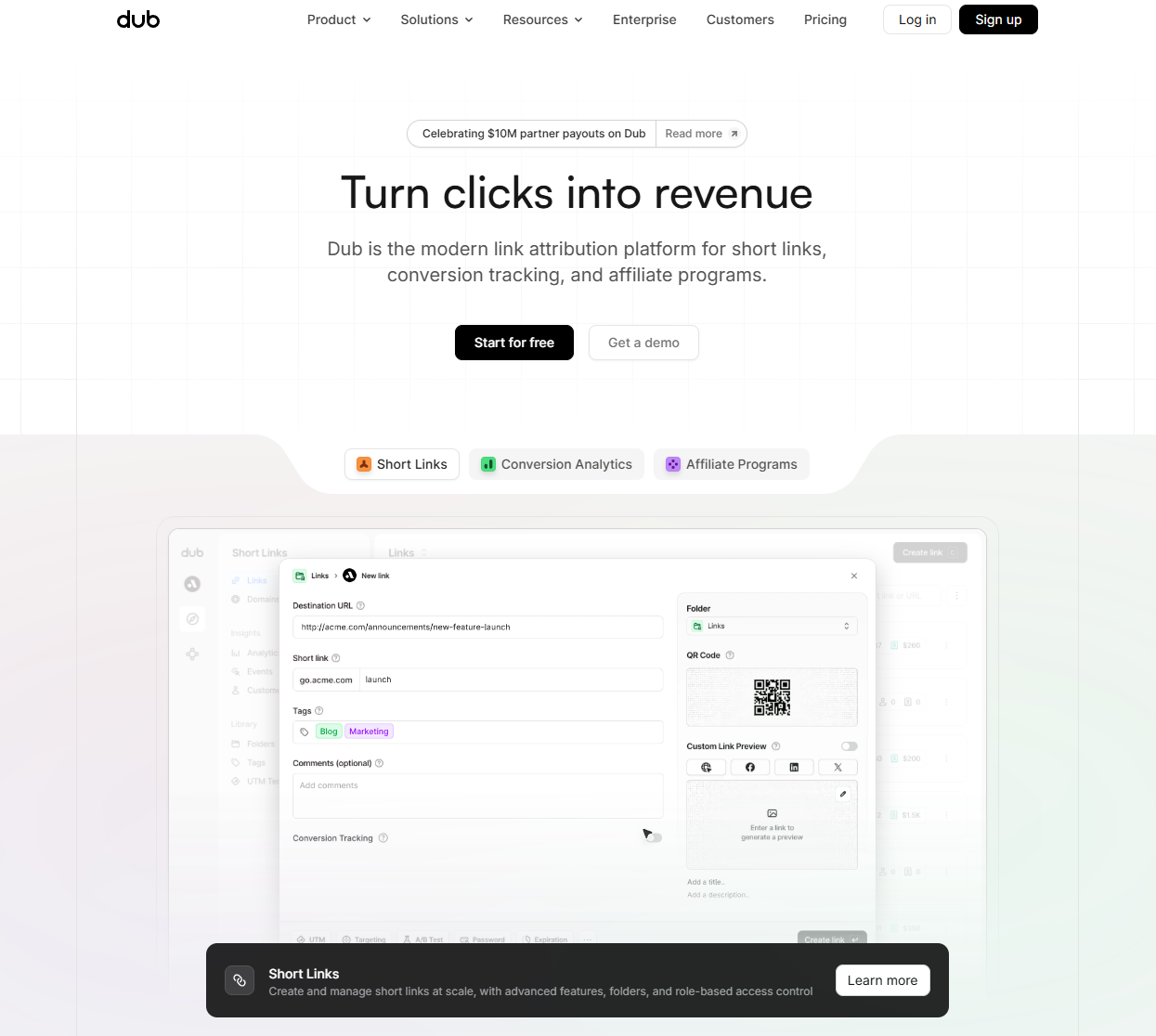
Steven Tey's link management platform has become the gold standard for open-source, indie-built elegant design.
Why it works:
- Subtle Gradients: The use of incredibly smooth, subtle text and background gradients makes the site feel modern and expensive.
- Bento Grid Layouts: They organize complex analytics features into a beautiful, scannable bento grid.
- Open and Transparent: Links directly to their GitHub repository, leveraging their open-source nature as a massive trust signal.
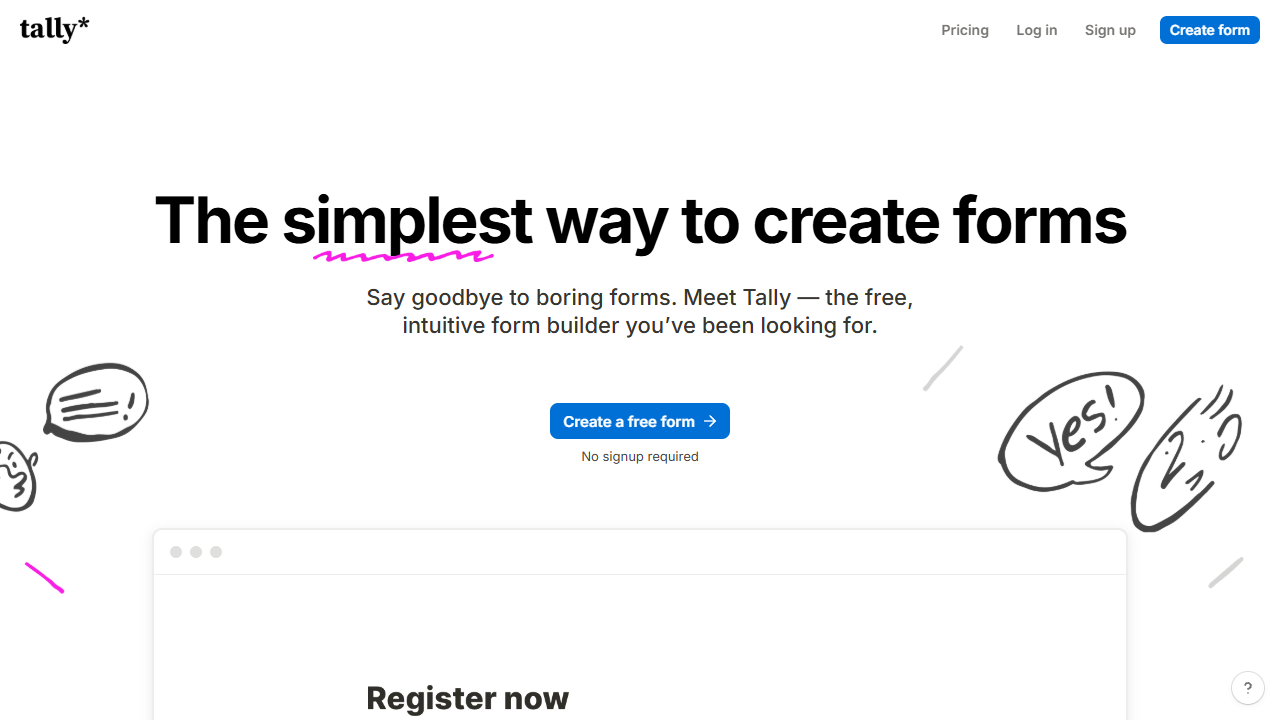
5. Tally Forms: The Notion-Style Interface
Marie and Arie built Tally as a two-person team to take on Typeform. Their website design is a huge reason for their massive indie success.
Why it works:
- Familiar UI: The website mimics the Notion aesthetic perfectly. Because millions already love Notion, they instantly feel comfortable with Tally.
- Instant Product Access: You can literally start building a form on their homepage without creating an account.
- Minimalist Black and White: A stark, incredibly clean design that focuses entirely on utility.
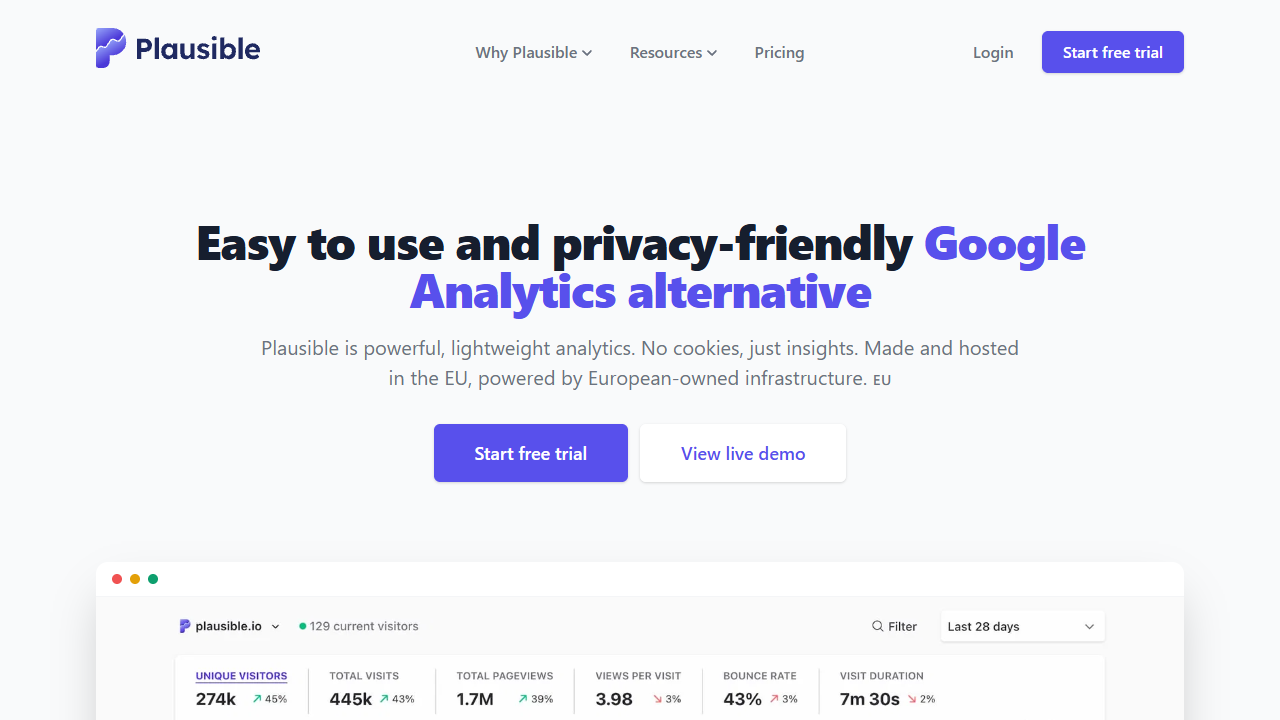
6. Plausible Analytics: Privacy-First Clarity
An open-source alternative to Google Analytics, Plausible proves that data privacy doesn’t mean sacrificing beautiful design.
Why it works:
- Live Demo Front and Center: The best feature of their landing page is the "Live Demo" button that takes you to a live dashboard of their own traffic.
- Value Proposition Clarity: They directly contrast themselves against an "enemy" (Google Analytics), making the choice incredibly easy for their target persona.
- Lightweight Architecture: The site loads incredibly fast, proving their claim of being a lightweight script.
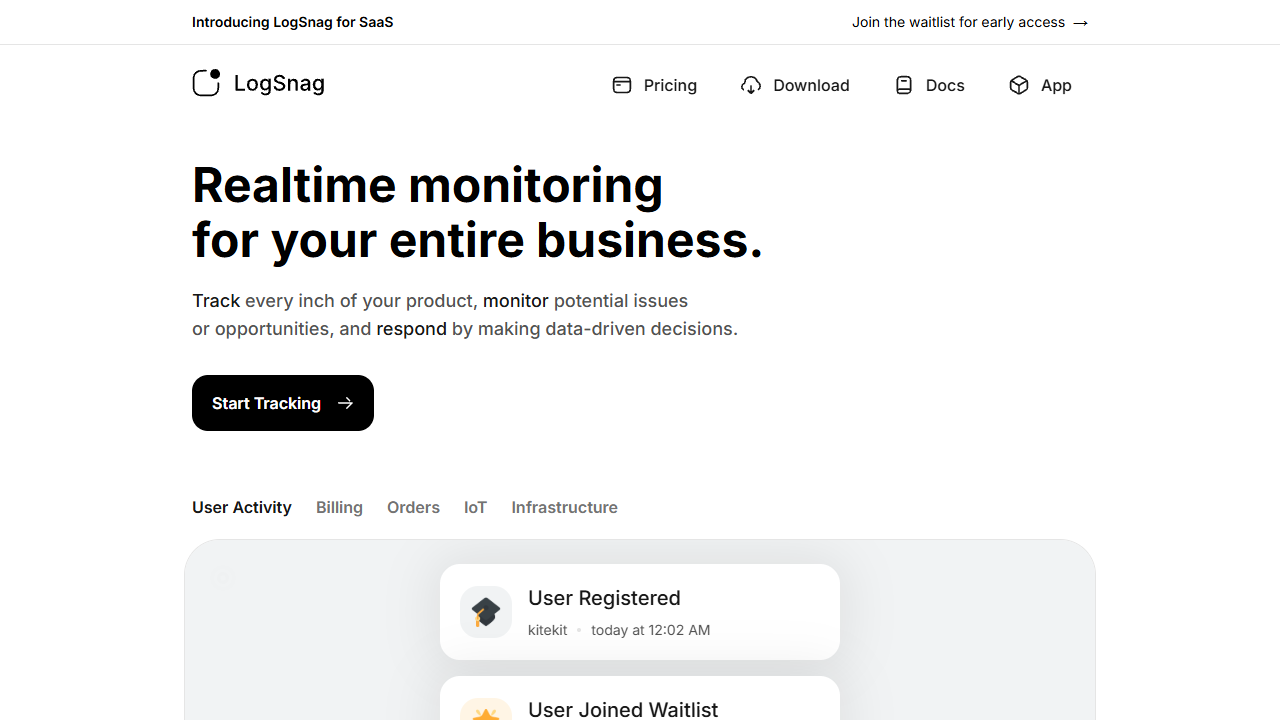
7. LogSnag: Gamified Event Tracking
Built by indie founder Shayan, LogSnag tracks business events and makes analytics feel like a video game.
Why it works:
- Dark Mode Excellence: A deep, rich dark mode that makes colorful event tags pop visually.
- Emoji-Driven Design: They heavily utilize emojis as UI elements, giving the interface a distinctly modern, friendly personality.
- Interactive Timelines: The site shows real-time-looking event feeds, perfectly illustrating what the product actually does.
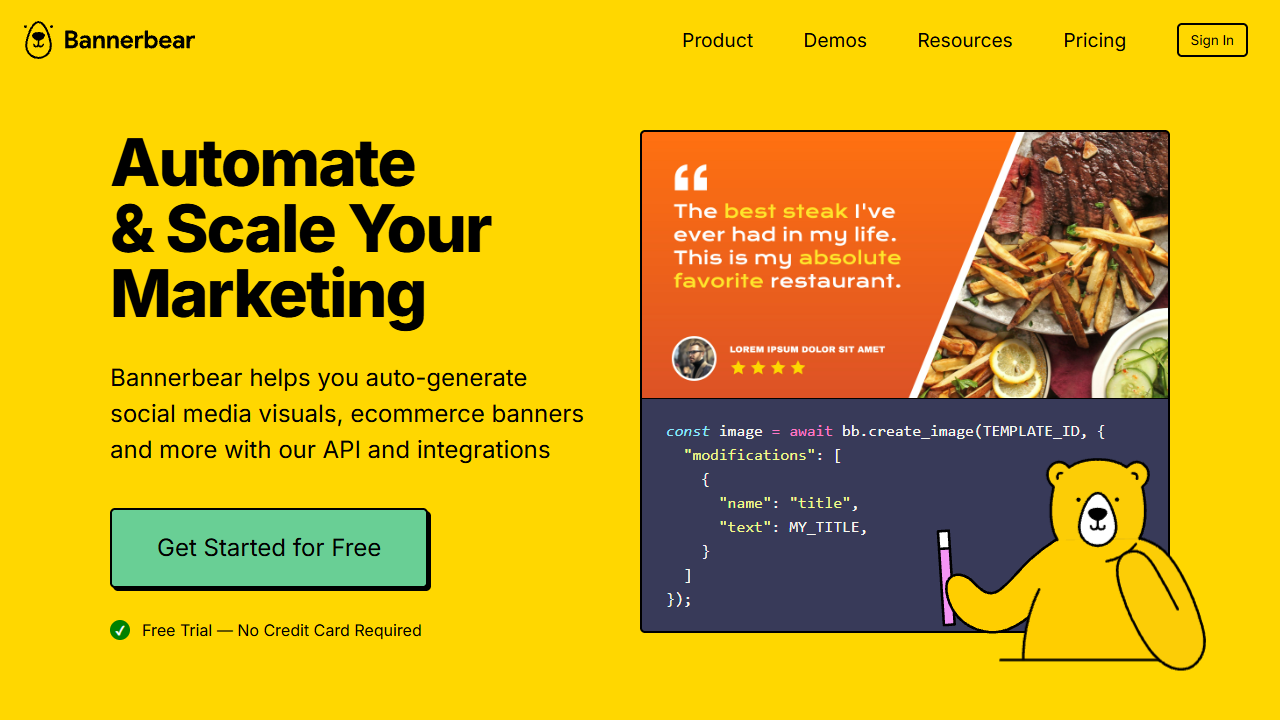
8. Bannerbear: Developer-Focused Simplicity
Jon Yongfook's image generation API is a legendary indie hacker story, and the website reflects a pure developer focus.
Why it works:
- Code Snippets as Hero: The website immediately shows exactly what developers want to see: the API request.
- Clear Integrations: A massive focus on the tools Bannerbear connects to (Zapier, Airtable), proving its utility instantly.
- No-Nonsense Pricing: One of the clearest pricing pages on the internet, showing exactly what API limits you get.
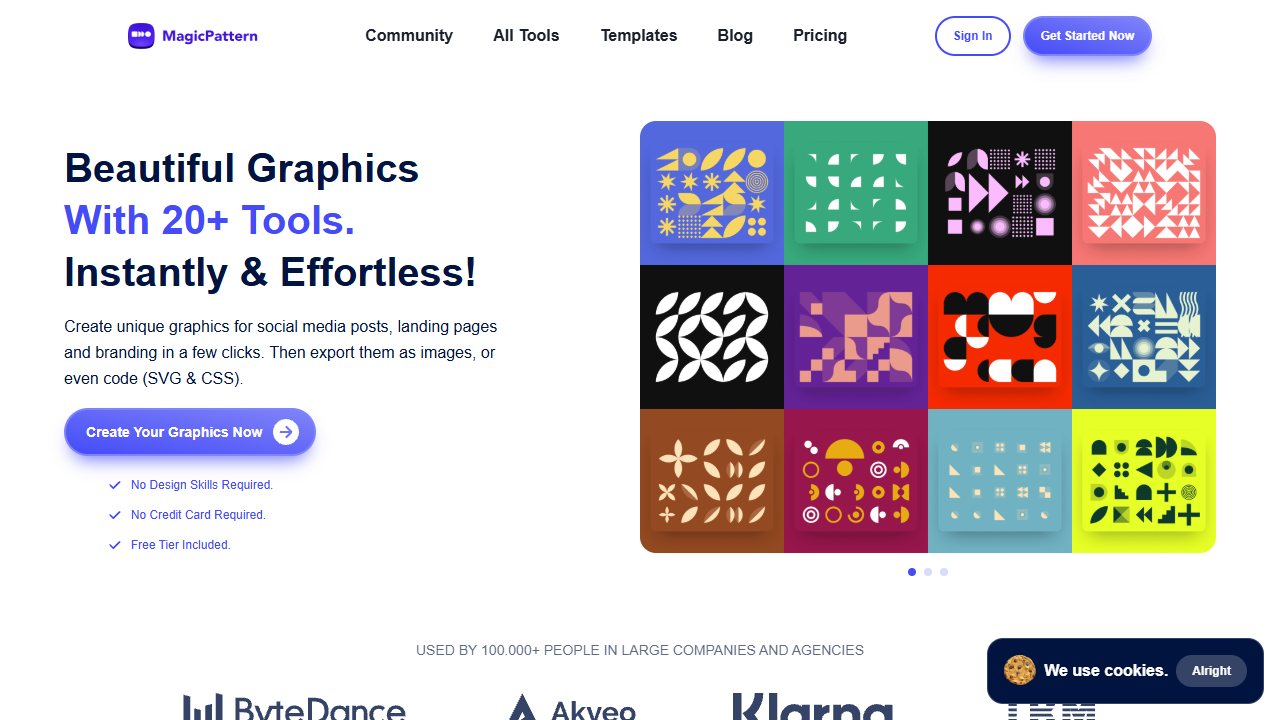
9. MagicPattern: Interactive & Tool-Led Growth
Jim Raptis built a suite of design tools that uses interactive mini-tools right on the landing page to drive adoption.
Why it works:
- Tool-Led SEO: The landing page serves as a hub for various free design generators, capturing broad search intent.
- Visual Playground: Users can play with sliders and color pickers before they ever sign up.
- Maker-Friendly Branding: The site embraces a chaotic, creative energy that appeals directly to designers and frontend devs.
10. Fathom Analytics: High-Contrast & Fast
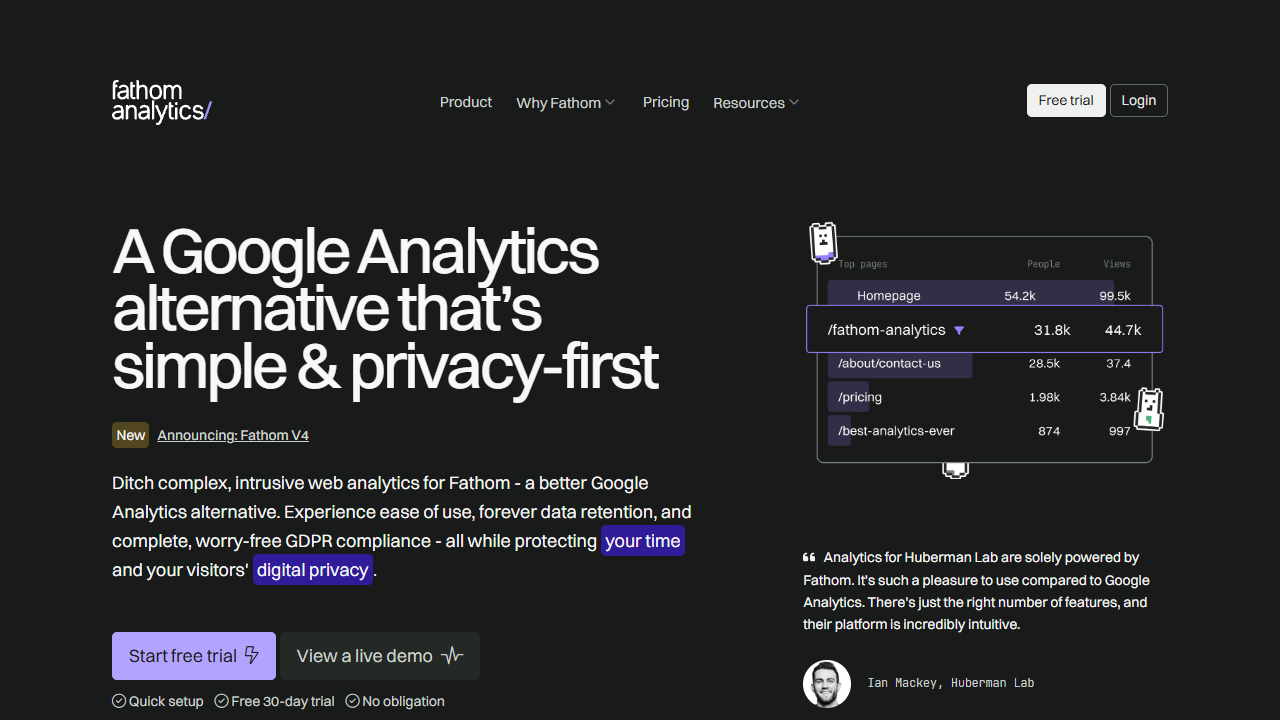
Paul Jarvis and Jack Ellis built an analytics tool that is fiercely independent and beautifully designed.
Why it works:
- Direct Messaging: They use bold, aggressive typography to call out privacy violations in traditional trackers.
- Playful Mascots: The use of unique brand illustrations (cats, animals) gives the software an extremely relatable face.
- High Contrast: Black, white, and a signature blue make the site memorable and highly accessible.
11. Resend: The Developer Aesthetics Standard
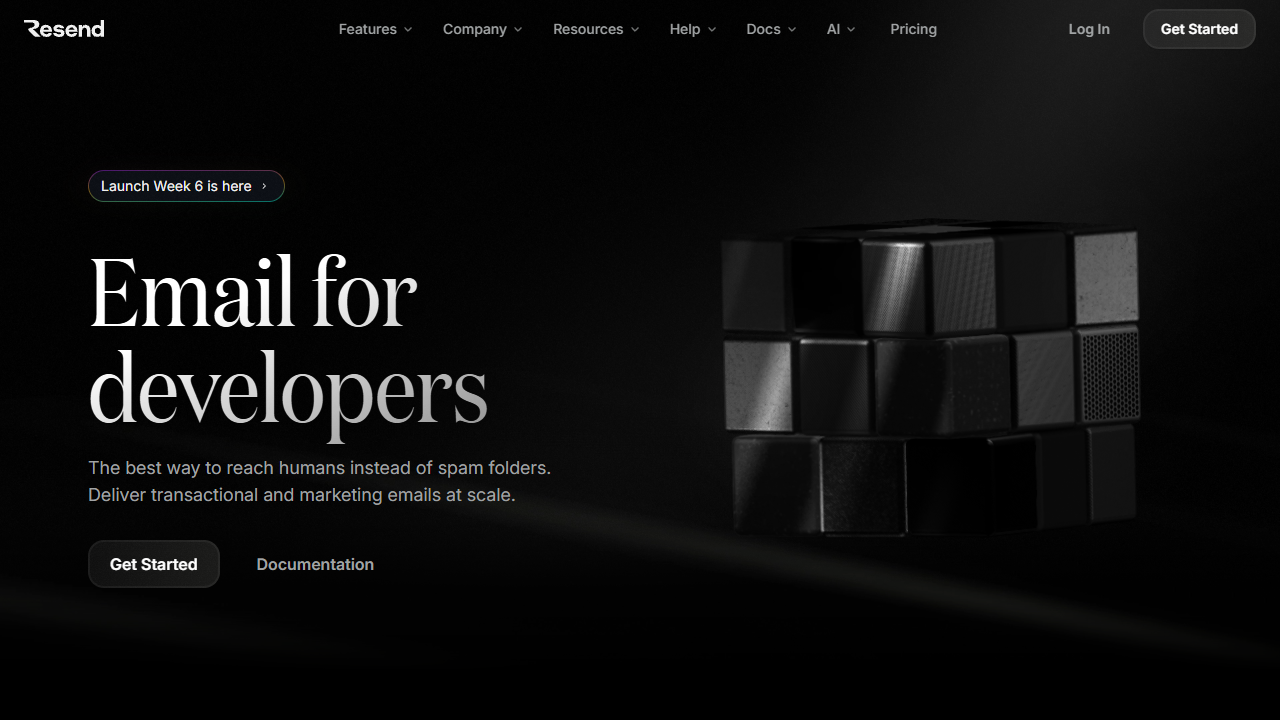
Zeno Rocha's React Email and Resend landing page is quite literally the most copied landing page by modern indie hackers right now.
Why it works:
- Pixel-Perfect Animations: Their signature use of floating code blocks and glowing 3D objects sets a massive quality bar.
- Copy to Clipboard Culture: They immediately teach you how to use their API right on the marketing page.
- Typography and Scale: Flawless balance of text sizes giving the page a cinematic, premium feel despite being a tool for sending emails.
12. Super.so: Clean, Notion-Based Sites
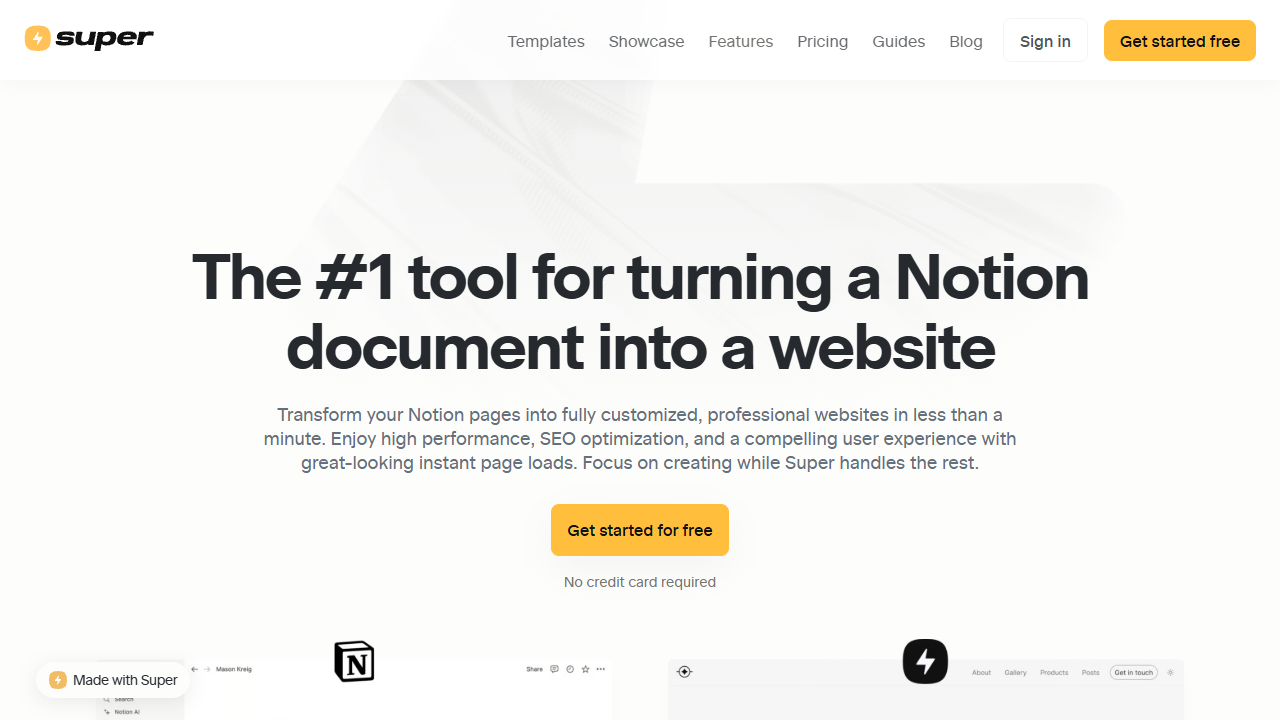
Super turns Notion pages into websites, and their landing page is a masterclass in clean, modern typography.
Why it works:
- Template Galleries: Their feature showcase relies heavily on beautiful user-created templates, doing the selling for them.
- Typography Focus: Huge, bold serif fonts matched with clean sans-serif bodies gives it an editorial feel.
- Animation Flourishes: Smooth page transitions and hover effects that elevate the entire experience.
How to Build Your Premium SaaS Website Fast
You’ve looked at the best saas website inspiration from solo founders, and you know what you want. You want the slick dark mode of LogSnag. You want the playful animations of Senja.
But as an indie hacker, you shouldn't spend two weeks fine-tuning Framer Motion. You need to ship.
This is exactly why we built ogBlocks.
Ship Faster with ogBlocks
ogBlocks is a premium, copy-and-paste UI component library designed specifically for indie hackers to get a top-tier SaaS aesthetic instantly. Instead of writing complex physics logic or struggling with Tailwind config, simply grab pre-built, production-ready components.
Why solo founders choose ogBlocks:
- 100% Copy and Paste: No complex npm package dependencies. Just drop the code into Next.js.
- Slick Animations: Our components come with built-in framer motion animation and scroll reveals, so your site feels alive.
- Optimized for Conversion: We've studied the best saas landing pages and reverse-engineered their highest-converting patterns into reusable blocks.
- Saves Weeks of Dev Time: Get your landing page up this weekend, so you can spend Monday launching.
Ready to make your indie SaaS look like a billion-dollar company?
Get access to ogBlocks today and start scaling your design.
Frequently Asked Questions (FAQ)
What is the best layout for a SaaS landing page built by a solo founder?
The best layout typically begins with a strong hero section (Headline, Subheadline, Primary CTA, Product Demo or Screenshot), followed instantly by authentic social proof (Twitter embeds, Trustpilot reviews), a features breakdown focusing on benefits, clear pricing, and a final bottom-of-page CTA.
How do I make my SaaS website look professional without a designer?
To make a saas site look professional, focus on typography, consistent spacing, and high contrast. Limit your color palette to one primary brand color and neutrals. Most importantly, ensure your site loads instantly. Using a premium component library like ogBlocks can help achieve this baseline quality instantly.
Should I use dark mode or light mode for my indie SaaS website?
It depends entirely on your target audience. Developer tools and technically-focused products (like LogSnag or Supabase) often convert better with dark mode due to IDE familiarity. B2B productivity tools or creator economy tools (like Typefully or Senja) typically use light mode or colorful themes.
How much does design matter for early-stage SaaS?
Design matters immensely for early-stage SaaS because it is often the only trust signal you have. Before you have thousands of users or enterprise case studies, a premium design signals to new visitors that the product is stable, reliable, and worth their money.
Did you find this guide helpful? Bookmark this page for future saas website inspiration and share it with another solo founder who is designing their next big launch.
Written by Karan
Karan is a React engineer and the founder of ogBlocks, building high-performance UIs for SaaS.