The Secret to Trust: How to Show Social Proof on Your Website
If you want to know how to show social proof on your website, you are in the right place. Social proof is the psychological concept where people copy the actions of others because they assume those actions reflect the correct behavior. For SaaS founders and indie hackers, it is arguably the most powerful conversion lever you have. In fact, research shows that 88% of consumers trust user reviews as much as personal recommendations.
When potential users land on your site, they are naturally skeptical. They are wondering: Will this software actually solve my problem? Is this company legitimate? Are other people like me using this? If you can effectively answer these questions by letting your existing happy customers do the talking, your conversion rates will inevitably skyrocket.
In this comprehensive guide, we are going to break down exactly what social proof is, explore the different types of social proof, and give you actionable strategies on how to use social proof to turn hesitant visitors into paying customers.
Key Takeaways
- The Shift in Trust: Modern marketing has moved from a "trust me" approach to a "they trust us" model. Buyers want to see peer-level proof.
- Conversion Impact: Including forms of user-generated content (UGC) can increase conversion rates on product pages by up to 8.5%.
- Types of Proof: There are multiple types of social proof, ranging from simple customer testimonials and expert endorsements to real-time popularity indicators and trust badges.
- Strategic Placement is Key: You should sprinkle social proof throughout your landing page, especially near high-friction areas like pricing tables and checkout buttons.
- UI Execution: How you display social proof matters immensely. Beautiful, clean UI blocks build inherent trust.
Table of Contents
- The Psychology: Why Social Proof Works
- The Shift From Branded Content to User-Generated Content
- 8 Types of Social Proof You Should Be Using
- How to Use Social Proof Effectively on Your Website
- How to Get Social Proof When You Have None
- Conclusion: Give Them the Proof They Need
- Frequently Asked Questions
The Psychology: Why Social Proof Works
Social proof was famously popularized by Dr. Robert Cialdini in his 1984 book Influence: Science and Practice. He discovered that when humans are in situations of uncertainty, we look to the behaviors and decisions of those around us to guide our own actions.
Think about it in the context of everyday life. If you are walking down a street looking for a place to eat and you see two restaurants, one completely empty and one with a line out the door, which one are you drawn to? The busy one. Your brain automatically assumes that the food must be better there because so many other people have made the choice to eat there.
This exact same psychological trigger applies to SaaS products and software tools.
When a visitor lands on your pricing page, they are experiencing friction. They are about to part with their hard-earned money. If you can show them that 10,000 other people have already bought the product and are thrilled with the results, you drastically reduce their perceived risk. Showing social proof is no longer just a marketing tactic; it is a fundamental requirement for building trust online.
The Shift From Branded Content to User-Generated Content
Let's be brutally honest: modern consumers are incredibly savvy, and they tune out traditional branded sales pitches. If you write a block of text saying, "We have the fastest and most reliable software in the industry," a potential buyer will likely roll their eyes. Of course you are going to say that; you are the one selling it!
This is why there has been a massive shift toward User-Generated Content (UGC).
UGC is any form of content (be it a review, a tweet, a video, or a forum post) created by an individual user rather than the brand itself. It feels authentic, unbiased, and raw. When a fellow SaaS founder tweets, "I just streamlined my entire customer support workflow using this live chat software," it carries infinitely more weight than a polished marketing banner making the exact same claim.
If you want to build trust on a new SaaS website, prioritizing authentic UGC over polished marketing copy is step one.
8 Types of Social Proof You Should Be Using
Not all social proof is created equal. Depending on your product type and your audience, certain formats will resonate better than others. Here are the most effective types of social proof you can leverage.
1. Customer Testimonials
Testimonials are direct, written (or video) endorsements from your customers. They are the bread and butter of social proof. A strong testimonial does not just say, "This product is great!" Instead, it highlights a specific pain point the customer had and how your product solved it. For maximum impact, always include the customer's real name, their headshot, and their job title or company. When buyers see peer-level proof, they think, "If it worked for them, it will work for me."
2. Quantitative Popularity Indicators
If you have a large user base, flaunt it. Numbers are powerful psychological anchors. Displaying stats like "Trusted by 50,000+ developers worldwide" or "Over 2 million emails sent" immediately establishes your product as an industry standard. It creates a bandwagon effect where new users feel safe joining a large, established community.
3. Case Studies and Customer Success Stories
For B2B SaaS products with higher price points or more complex sales funnels, a simple quote is rarely enough. Case studies dive deep into a customer's journey. They outline the initial problem, the implementation of your software, and most importantly, the hard metrics of the outcome (e.g., "How Company X Increased Revenue by 140% in 3 Months"). Case studies appeal to the logical side of a buyer's brain.
4. Expert and Influencer Endorsements
When an established authority figure in your niche vouches for your product, they transfer a significant amount of their own credibility to your brand. For instance, if a respected SEO expert tweets about how much they love your new keyword research tool, their entire audience suddenly views your product as vetted and high-quality.
5. Media Mentions and "As Seen In" Badges
Have you ever been featured on Product Hunt, TechCrunch, or a prominent industry newsletter? Highlight it. Creating an "As Seen On" banner with recognizable logos acts as a powerful trust signal. It shows visitors that you are a legitimate player in the market who has garnered attention from reputable publications.
6. User-Generated Content (UGC) from Social Media
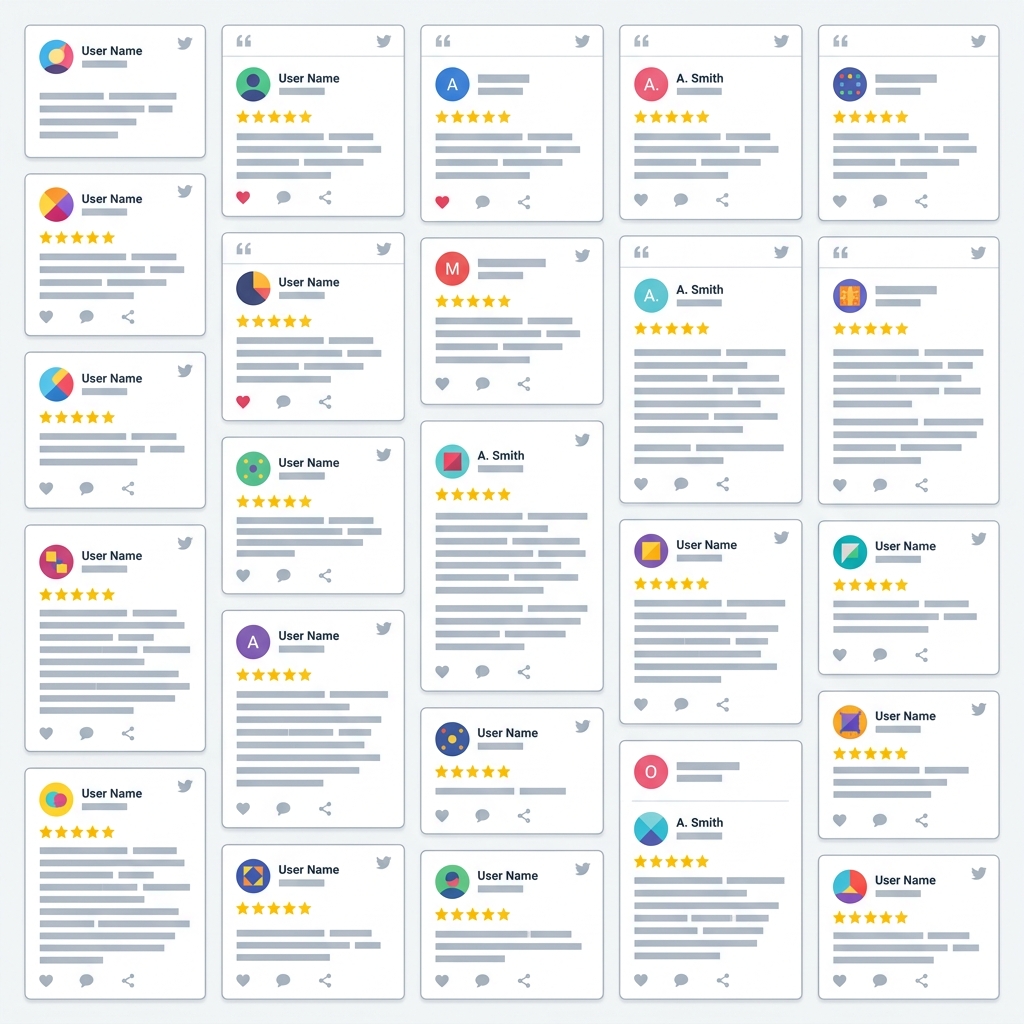
Sometimes the best social proof is not on your website at all. It is on Twitter, LinkedIn, or Reddit. If users are organically praising your product on social platforms, take screenshots (or embed the posts directly) and place them on a "Wall of Love" on your landing page. The unpolished, spontaneous nature of social media praise feels incredibly authentic.
7. Trust Badges and Security Certifications
For SaaS applications that handle sensitive data or payments, security is a major friction point. Displaying trust badges, such as SOC2 compliance, SSL secure checkout icons, or GDPR compliance seals, can significantly ease customer anxiety. According to a study by Yieldify, 75% of online shoppers say they are more likely to trust a site that displays recognized trust badges.
8. Ratings and Reviews on Third-Party Platforms
While on-site testimonials are great, reviews on third-party platforms like G2, Capterra, or Trustpilot are often viewed as more objective since the brand cannot easily delete negative feedback. If you boast a 4.8-star rating across 500 reviews on G2, displaying a badge highlighting this achievement is a massive credibility boost.
How to Use Social Proof Effectively on Your Website
Knowing the types of social proof is only half the battle. Executing the UI and placing the proof in the right locations is what actually drives conversions. Here are some critical best practices.
1. Place Proof Near Points of Friction
Do not just bury all your testimonials at the very bottom footer of your site. You need to strategically place social proof near elements where the user is making a decision.
- Put a strong customer quote right below your hero section's primary Call to Action (CTA).
- Place a "Trusted by X companies" stat directly on your pricing toggle.
- Add security badges right next to your "Submit Payment" button. If you want a deeper dive into optimizing your CTA areas, check out our guide on CTA section design.
2. Match the Proof to the Target Audience
Relevancy is crucial. If your SaaS tool serves both freelance designers and enterprise design teams, make sure you show relevant proof to each segment. An enterprise buyer will not be swayed by a quote from a college student, and a solo freelancer might feel alienated by a case study from a Fortune 500 company. Use dynamic blocks to show the right testimonial to the right persona.
3. Embrace Imperfection
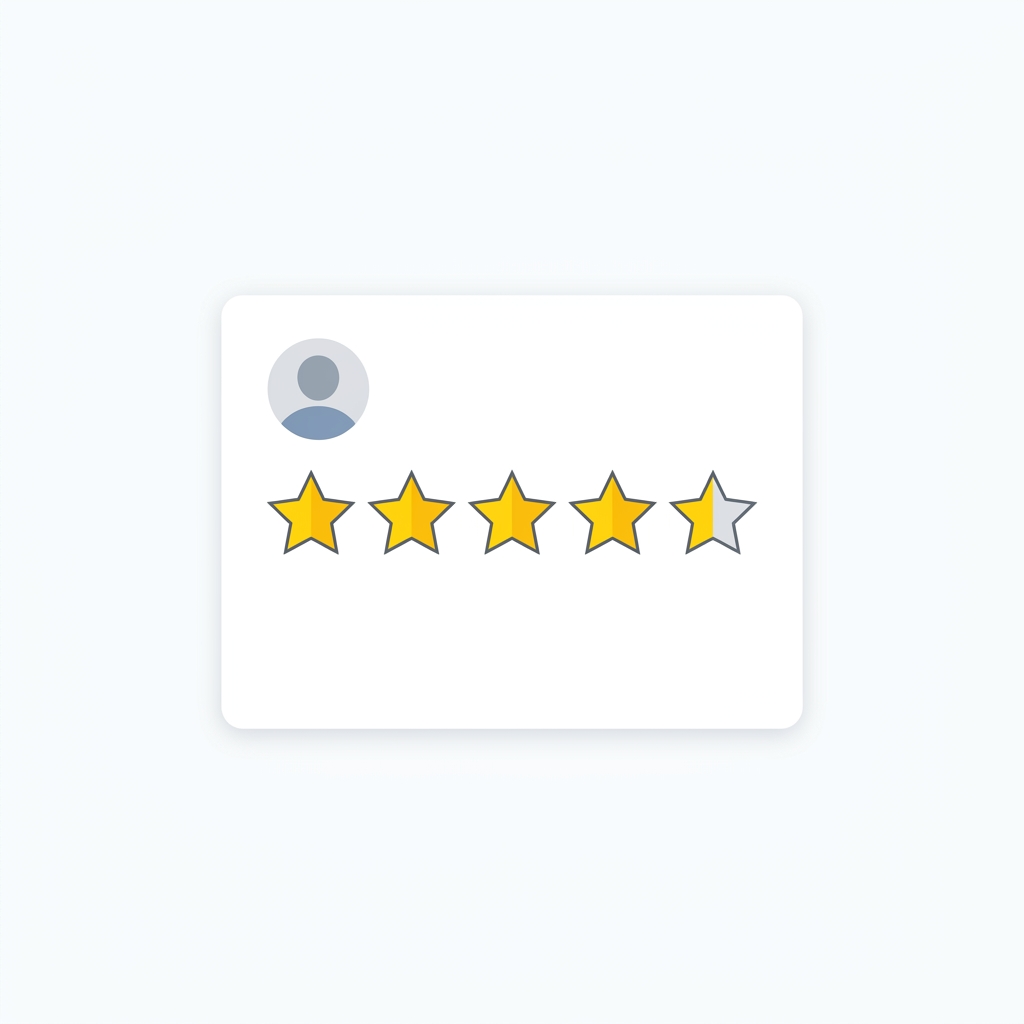
It sounds counterintuitive, but a perfect 5.0-star rating can sometimes trigger skepticism. Research from Northwestern University found that purchase likelihood actually peaks when a product has an average rating between 4.2 and 4.7 stars. A perfectly flawless record can look manipulated or fake. Allowing a few minor critiques in your reviews shows transparency and proves that your business is real.
4. Make It Visually Stunning
How you present your social proof matters just as much as the content itself. A wall of unformatted text is difficult to read and looks unprofessional. You need beautifully designed components, like animated bento grids or sleek scrolling marquees, to display your testimonials and logos.
If you are a developer using React or Next.js, building these complex, animated UI components from scratch can take days. This is where a premium component library becomes an absolute necessity.
With ogBlocks, you get access to a massive library of beautifully crafted, accessible, and conversion-optimized SaaS UI components. Instead of wrestling with Tailwind CSS classes to make your testimonial cards look premium, you can simply copy and paste our production-ready blocks directly into your codebase. By using professionally designed components, you inherently elevate the perceived value of your software and build immediate trust with your visitors.
How to Get Social Proof When You Have None
This is the classic "chicken and egg" problem for early-stage founders. You need social proof to get customers, but you need customers to get social proof. If you are just launching, here are a few ways to hack the system:
- Leverage Data Over Quotes: If you don't have reviews yet, use impressive data. How many lines of code does your tool save? How fast is your API? Statistics act as a form of logical proof.
- Give the Product Away for Feedback: Offer lifetime access to your first 20 users in exchange for a brutally honest review.
- Highlight "Customer Favorites": If you have multiple features, highlight which one is the "Most Popular." It signals that other people are using and evaluating the product.
Conclusion: Give Them the Proof They Need
In the highly competitive world of SaaS, your prospects have endless options. To stand out, you need to transition from selling your product to letting your happy customers sell it for you. By understanding how to show social proof on your website, and executing it beautifully with premium UI design, you reduce friction, build immense trust, and dramatically increase your conversion rates.
Do not let poor design hold back your great product. If you want to integrate stunning social proof sections, pricing tables, and hero sections into your website without spending 100 hours coding them from scratch, you need the right tools.
Ready to ship faster and convert higher? Stop reinventing the wheel and start building with the best. Grab the ogBlocks component library today and give your SaaS the premium UI it deserves.
Frequently Asked Questions
What is social proof?
Social proof is a psychological phenomenon where people assume the actions of others in an attempt to reflect correct behavior in a given situation. In marketing, it involves using evidence of others' positive experiences like reviews, testimonials, and user numbers to build trust and influence potential buyers.
What are the most effective types of social proof?
The most effective types of social proof for SaaS include customer testimonials (ideally with photos), quantitative data (e.g., 'Trusted by 10,000+ users'), in-depth case studies, expert influencer endorsements, and prominent media mentions or trust badges.
Where should I place social proof on my landing page?
Social proof should be placed near high-friction decision points. Excellent locations include immediately below the hero section, adjacent to primary Call to Action (CTA) buttons, and directly on or near the pricing tables and checkout forms.
How can I get social proof if my SaaS is brand new?
If you have zero customers, you can generate initial social proof by offering free or highly discounted access to beta testers in exchange for honest reviews. Alternatively, you can use data-driven proof, such as highlighting the performance metrics or speed advantages of your software.
Written by Karan
Karan is a React engineer and the founder of ogBlocks, building high-performance UIs for SaaS.